 Phones and Accessories
 Computers and Accessories
 Men Clothing & Fashion
 Women Clothing and Fashion
 Home Improvement & Tools
 Jewelry & Accessories
 Health and Beauty
 Skincare
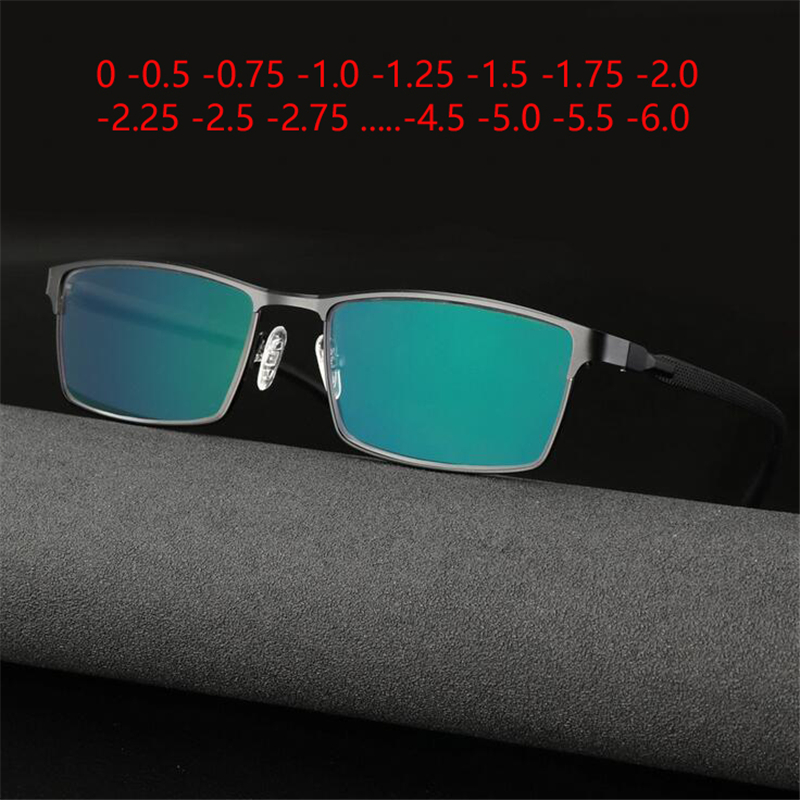 Photochromic Glasses (Lens)
 Smart watch
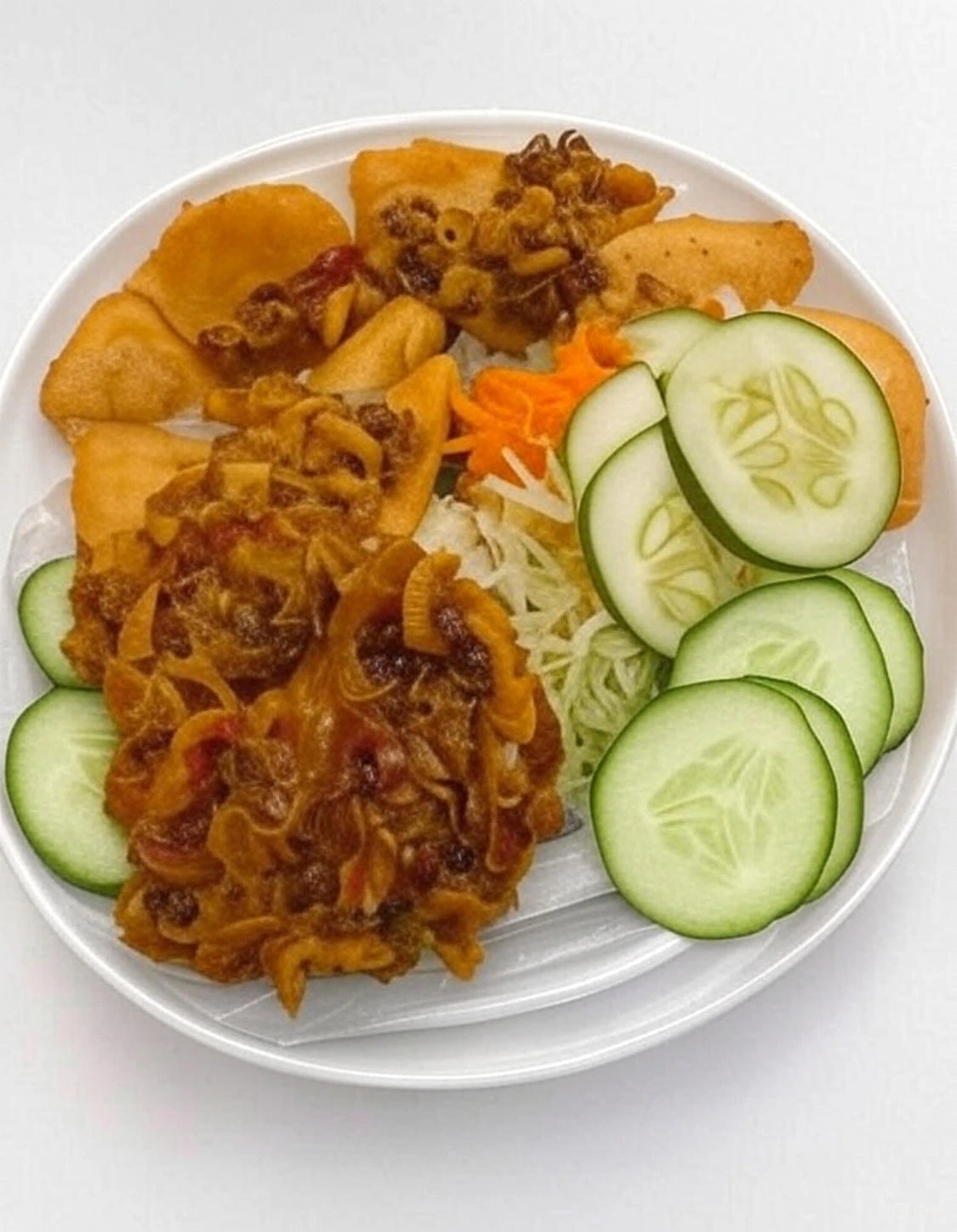 Food and Groceries
 Animals & Pet Supplies
 Apparel & Accessories
 Arts & Entertainment
 Baby & Toddler
 Business & Industrial
 Cameras & Optics
 Electronics
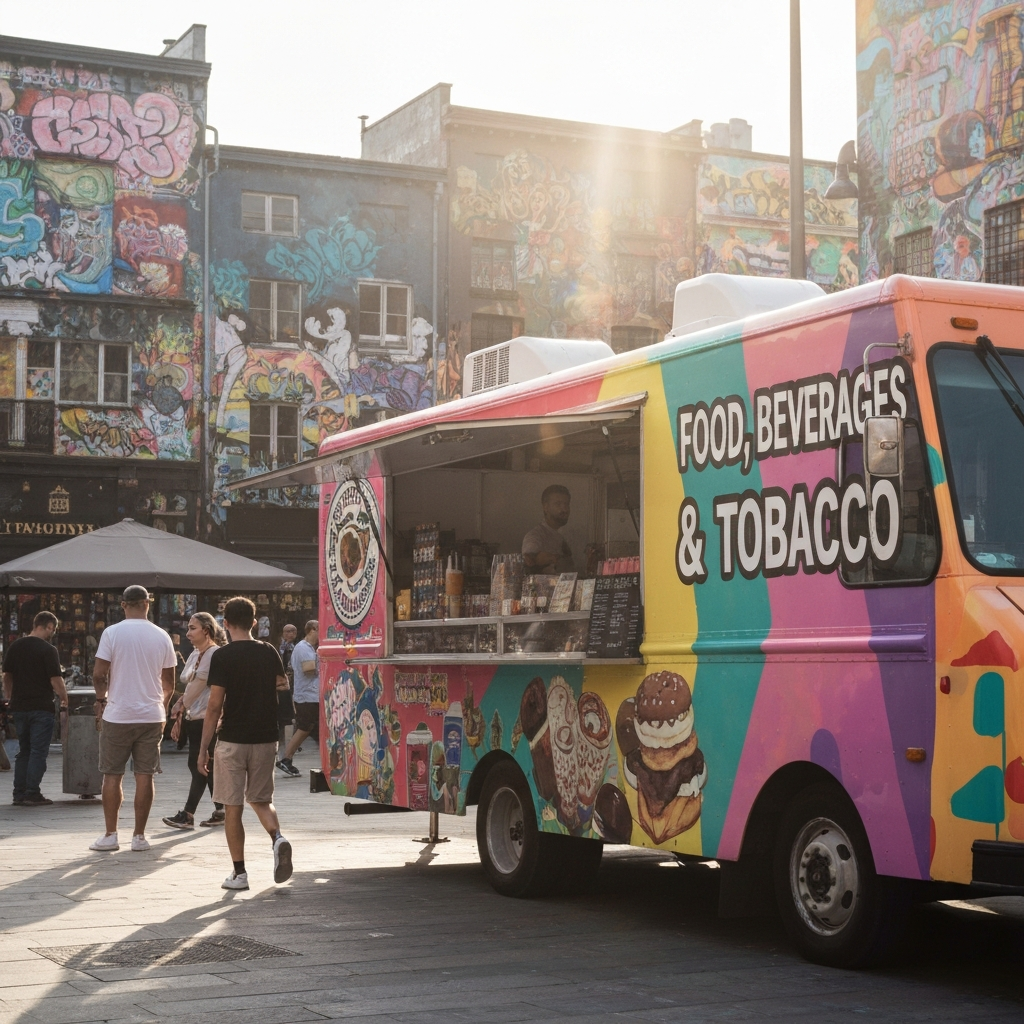 Food, Beverages & Tobacco
 Furniture
 Hardware
 Health & Beauty
 Home & Garden
 Luggage & Bags
 Mature
 Media
Media Office Supplies
 Religious & Ceremonial
 Software
 Sporting Goods
 Toys & Games
 Vehicles & Parts


The Subscription Box Trap: Why It Failed in Nigeria and the Smart Way to Shop in 2024
Table of Contents
The Rise and Fall of a Shiny Trend The Logistics Nightmare: Beyond the Last Mile The Trust Deficit and the 'What I Ordered vs. What I Got' Syndrome The Economic Reality: Subscription vs. Survival The Kanemtrade Solution: A New Way to Shop What to Do Instead: Tips for the Modern Nigerian Shopper The Verdict Editor's Choice: Quality You Can See

The Rise and Fall of a Shiny Trend
A few years ago, the Nigerian tech and e-commerce space was buzzing with a new promise: the subscription box. From beauty products and grooming kits to snacks and organic groceries, the 'box' model promised convenience and a touch of luxury delivered to your doorstep every month. Entrepreneurs looked at the success of Birchbox and Dollar Shave Club in the US and thought, 'Why not here?'
But as the dust settled, many of these startups quietly folded. The boxes stopped arriving, the websites went offline, and the hype died down. For the Nigerian consumer, the dream of a monthly surprise was replaced by the reality of a biting economy and a deep-seated need for transparency. If you have ever wondered why your favorite subscription service vanished, or why you are hesitant to sign up for one today, you are not alone. The failure wasn't just about the products; it was about a fundamental disconnect between a Western business model and the unique pulse of the Nigerian market.
The Logistics Nightmare: Beyond the Last Mile
In Nigeria, logistics is not just a department; it is a battleground. Subscription boxes rely on a predictable, low-cost delivery network to survive. In the US, the postal service or low-cost couriers make it easy to ship thousands of small parcels at a fixed rate. In Nigeria, the story is different. Between the 'no-go' areas, the fluctuating price of petrol, and the sheer unpredictability of Lagos traffic or the long haul to the North, shipping costs often ended up being higher than the profit margin of the box itself.
When you add the complexity of fragile items or perishables, the model starts to crumble. A subscriber in Abuja might get their box in three days, while someone in Port Harcourt waits two weeks, only to receive a damaged package. This inconsistency killed the 'joy' of the subscription experience, turning a luxury service into a source of frustration.
The Trust Deficit and the 'What I Ordered vs. What I Got' Syndrome
Trust is the most expensive currency in Nigerian e-commerce. The subscription model asks for something Nigerians are historically reluctant to give: payment upfront for a mystery. We are a 'see, touch, and verify' culture. The rise of 'What I ordered vs. What I got' memes isn't just humor; it is a reflection of a deep-seated fear of being cheated.
Subscription boxes often failed because they couldn't maintain quality over time. The first box would be amazing, but by the third month, the quality would drop, or the items would feel like 'clearance stock.' In a market where every Naira is hard-earned, the Nigerian shopper would rather spend their money on a specific, high-quality item they actually need than a box of items they might never use.
Editor's Choice: Quality You Can See
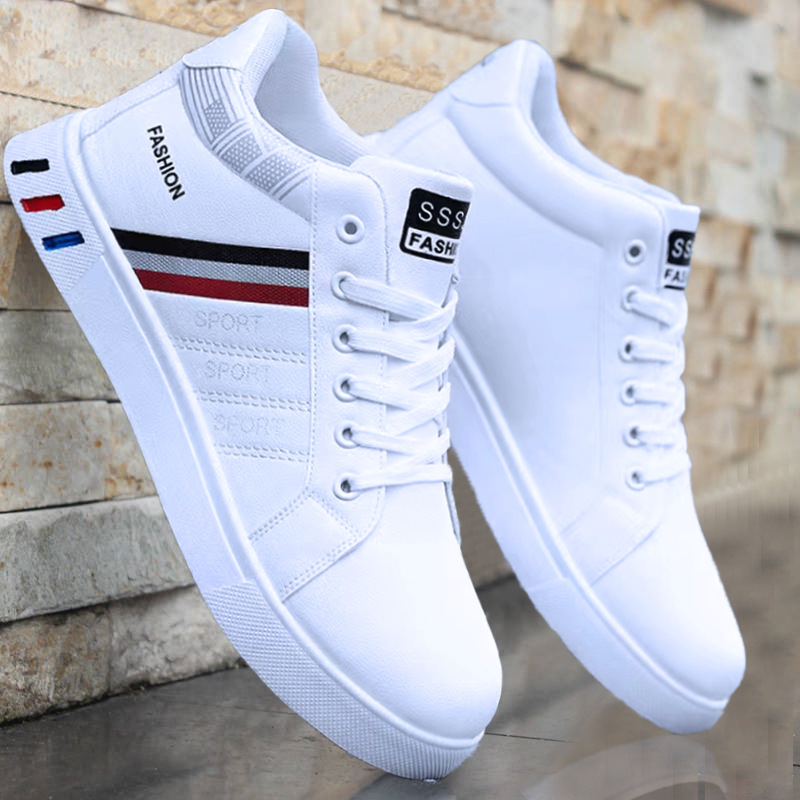
Instead of gambling on a mystery box, savvy shoppers are moving toward high-quality, verified individual pieces. For instance, the Big size new all-match men's shoes Korean version of the flow of boys in the board shoes casual sports shoes sneakers offer the perfect blend of style and durability without the guesswork. When you buy quality like this, you aren't just shopping; you are investing in a look that lasts.
The Economic Reality: Subscription vs. Survival
The Nigerian economy is characterized by its volatility. With the fluctuating exchange rate and rising inflation, a 'fixed' monthly subscription becomes a liability for both the business and the consumer. If a box costs 20,000 Naira today, the business might need to charge 35,000 Naira next month just to cover the cost of imported goods. For the consumer, a subscription is often the first thing to be cut when the budget gets tight. Unlike a utility bill, a grooming or snack box is a 'nice-to-have,' and in the current climate, 'need-to-have' always wins.
The Kanemtrade Solution: A New Way to Shop
So, if subscription boxes aren't the answer, what is? The market is shifting toward curated, verified, and transparent e-commerce. This is where platforms like Kanemtrade are changing the game. Instead of the 'blind buy' approach of subscription boxes, the future of Nigerian retail lies in verification and trust.
Kanemtrade understands that the Nigerian shopper wants three things: verification of quality, secure logistics, and a direct link to reliable vendors. By focusing on these pillars, they eliminate the 'mystery' and replace it with 'certainty.' Whether you are sourcing wholesale or looking for that one perfect pair of sneakers, the focus is on the individual transaction being perfect, rather than a recurring commitment that may or may not deliver on its promise.
What to Do Instead: Tips for the Modern Nigerian Shopper
If you want the convenience of a subscription without the headaches, here is how you should be shopping in 2024:
- Prioritize Quality over Frequency: Instead of getting five mediocre items in a box, save that money and buy one high-quality, verified item that will last you years.
- Use Verified Platforms: Only shop through platforms like Kanemtrade that offer a layer of protection and verification between you and the vendor.
- Demand Transparency: If a seller cannot show you real-time videos or detailed photos of the exact item, walk away. The 'mystery' should stay in the movies, not in your bank statement.
- Monitor Logistics: Choose sellers who use trackable, reliable delivery methods rather than 'random' bus drivers or unverified dispatch riders.
The Verdict
Subscription boxes failed in Nigeria because they tried to import a lifestyle without accounting for the local infrastructure and the psychology of the Nigerian consumer. We don't want surprises; we want value. We don't want automated billing; we want to choose what we buy and when we buy it. By moving toward a model of verified, high-quality individual purchases, we are building a more sustainable and trustworthy e-commerce ecosystem. The 'box' might be dead, but smart shopping has never been more alive.