 Phones and Accessories
 Computers and Accessories
 Men Clothing & Fashion
 Women Clothing and Fashion
 Home Improvement & Tools
 Jewelry & Accessories
 Health and Beauty
 Skincare
 Photochromic Glasses (Lens)
 Smart watch
 Food and Groceries
 Animals & Pet Supplies
 Apparel & Accessories
 Arts & Entertainment
 Baby & Toddler
 Business & Industrial
 Cameras & Optics
 Electronics
 Food, Beverages & Tobacco
 Furniture
 Hardware
 Health & Beauty
 Home & Garden
 Luggage & Bags
 Mature
 Media
Media Office Supplies
 Religious & Ceremonial
 Software
 Sporting Goods
 Toys & Games
 Vehicles & Parts


The Silent Killer: Why 90% of Nigerian E-commerce Stores Die in Month One (A Post-Mortem)
Table of Contents
The Dream That Dusts in 30 Days 1. The Trust Deficit: Why 'Amana' Rules the Market 2. The Arewa Logistics Bermuda Triangle 3. The Cash-on-Delivery (COD) Trap 4. Sourcing Substandard Goods: The Ultimate Death Blow 5. The 'One-Man Army' Burnout The Post-Mortem Checklist: How to Be the 10% Who Survive Editor's Choice: Sourcing High-Quality Winners

The Dream That Dusts in 30 Days
You spent weeks designing the perfect online storefront. You spent your hard-earned Naira sourcing what you believed was the 'next big thing.' You even paid a graphic designer in Kaduna to create a sleek, modern logo. You hit 'Publish' with a heart full of hope, expecting the sweet alerts of 'Order Received' to ring continuously on your phone like morning prayers. But by day thirty, the silence is deafening. Only your cousin and a couple of random web-crawler bots have visited your site. Welcome to the grim reality of Nigerian e-commerce: 90% of stores die in month one.
Why does this happen? Is it the unpredictable economy? Is it the dreaded 'village people'? No. The autopsy of failed Nigerian e-commerce stores reveals systemic, preventable errors that ignore the unique cultural, psychological, and structural realities of doing business in Nigeria, especially when expanding into the vast markets of the Arewa region and Northern Nigeria. Let us perform a deep-dive post-mortem so your store does not become another statistic in the digital graveyard.
1. The Trust Deficit: Why 'Amana' Rules the Market
The average Nigerian online shopper is traumatized. They have been burnt repeatedly by unscrupulous social media vendors who show pictures of pure silk but deliver cheap polyester rags. In Nigeria, trust is a currency far more valuable than the Naira. If your store looks unverified, lacks visible social proof, or demands 'payment before delivery' without establishing absolute credibility, your bounce rate will remain exceptionally high.
In Northern Nigeria, this concept of trust is elevated to a sacred level known as Amana (integrity and trust). If a customer in Kano or Kaduna does not feel a sense of mutual respect and safety, they will close your tab instantly. This is where local ecosystem facilitators like Kanemtrade make a massive difference. Smart e-commerce entrepreneurs are realizing that building an isolated website and expecting immediate trust is a losing game. By leveraging verified marketplaces, localized directory systems, and escrow-like trust mechanisms, you signal to the weary Nigerian buyer that their money is safe. Without a clear trust-verification badge or a reliable checkout partner, you are dead in the water before your first week ends.
2. The Arewa Logistics Bermuda Triangle
Logistics in Southern Nigeria is difficult; logistics in the Arewa region is an entirely different beast. Many new merchants set up stores in Lagos, promising seamless 48-hour delivery to places like Maiduguri, Sokoto, or Gombe, without understanding the vast distances, cultural nuances, and infrastructural realities of the North.
When you fail to deliver on time, the Northern customer feels cheated. A single delayed delivery, a rude dispatch rider in Zaria, or a unexpected 'delivery surcharge' can lead to an immediate order cancellation, a public call-out, and a permanent loss of a customer family network. To survive month one, you must move away from generic courier services and partner with regional logistics experts who understand the local terrain, speak Hausa fluently, and can navigate the unique, trust-based transit networks of the North. If you fail to master your supply chain, logistics will swallow your entire profit margin by day fifteen.
3. The Cash-on-Delivery (COD) Trap
Ah, Cash on Delivery. It is the favorite payment method of Nigerian consumers, and the absolute bane of e-commerce store owners. When you offer COD without a strict verification system, your delivery failure rate can skyrocket to over 50%. Dispatch riders drive across Kano only for the customer to say, 'I am no longer interested,' or 'My husband said I should not buy it,' or simply refuse to pick up their calls.
You lose the cost of shipping both ways, slowly bleeding your operational capital until you are forced to shut down. Successful stores mitigate this by calling every single customer to verify their order before dispatching, charging a small commitment fee to cover logistics, or using platforms like Kanemtrade that help build verified buyer-seller relationships to filter out unserious window shoppers.
4. Sourcing Substandard Goods: The Ultimate Death Blow
You cannot build a sustainable business selling low-quality plastic junk. Word travels incredibly fast in the tight-knit commercial hubs of Nigeria. If you sell a product that breaks on day two, you lose the most important asset in e-commerce: customer lifetime value. If your customer acquisition cost is higher than the profit you make on a single purchase, and those customers never return, your business model is mathematically doomed.
Editor's Choice: Sourcing High-Quality Winners
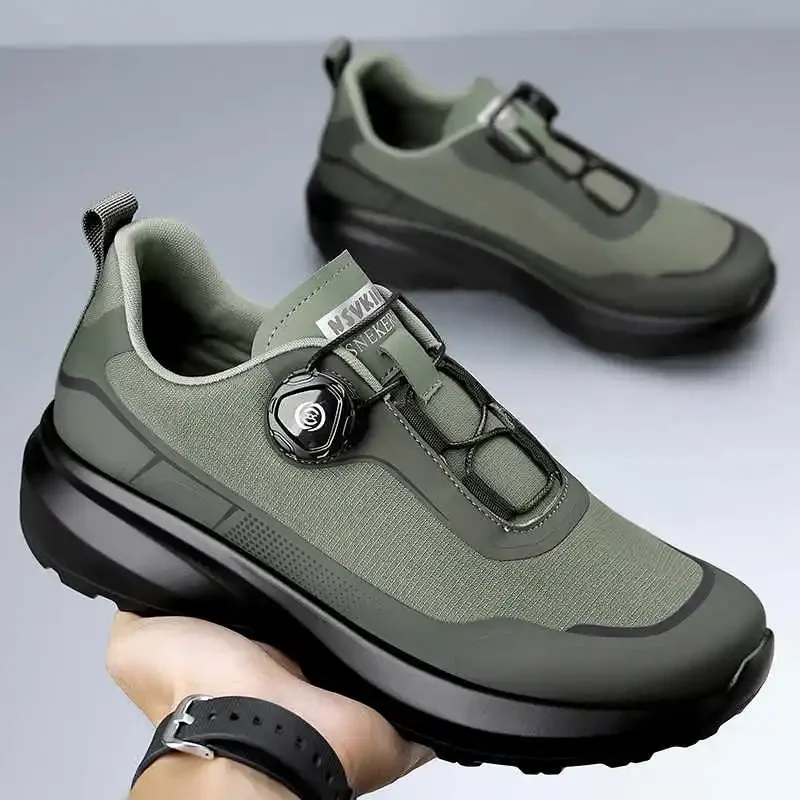
If you want to escape the month-one graveyard, you must sell products that scream premium quality the moment they are unboxed. Take, for example, the Camping Men's Running Sports Shoes with A Lightweight Comfortable and Versatile Knob Mouth Solid Color Mountaineering Sneakers. This isn't just a shoe; it's a high-performance asset. Featuring an innovative knob-mouth lacing system, solid-color styling, and a lightweight, durable build, it is perfect for both the rugged terrains of mountaineering and casual daily wear in Abuja or Kano. Offering such premium, highly functional, and verified items instantly builds your store's reputation. When customers receive exactly what they paid for—or better—they become your loyal brand ambassadors, driving free word-of-mouth marketing that guarantees you survive past month one.
5. The 'One-Man Army' Burnout
In your first month, you attempt to be the CEO, the customer service agent, the social media manager, the packaging boy, and the logistics coordinator. By week three, you are exhausted. You respond to customer inquiries late, make critical errors in shipping details, and lose your passion. E-commerce in Nigeria is not a hands-off hobby; it is a rigorous system. If you do not automate your processes, outsource your logistics to trusted partners, or leverage established regional platforms to handle the heavy lifting, burnout will claim your business before your first month ends.
The Post-Mortem Checklist: How to Be the 10% Who Survive
- Verify and Build Trust: Use reputable local networks and platforms like Kanemtrade to establish credibility and security.
- Master Regional Logistics: Do not guess shipping times. Partner with localized delivery services that understand the Arewa region.
- Sell Quality Over Cheapness: Stop dropshipping cheap replicas. Source verified, high-performance goods like premium mountaineering sneakers.
- Confirm Every Order: Never dispatch a COD order without a verbal or security confirmation.
E-commerce in Nigeria is highly lucrative, but only for those who respect the market's unique rules. Build trust, solve logistics, sell quality, and watch your store thrive way past month one.