 Phones and Accessories
 Computers and Accessories
 Men Clothing & Fashion
 Women Clothing and Fashion
 Home Improvement & Tools
 Jewelry & Accessories
 Health and Beauty
 Skincare
 Photochromic Glasses (Lens)
 Smart watch
 Food and Groceries
 Animals & Pet Supplies
 Apparel & Accessories
 Arts & Entertainment
 Baby & Toddler
 Business & Industrial
 Cameras & Optics
 Electronics
 Food, Beverages & Tobacco
 Furniture
 Hardware
 Health & Beauty
 Home & Garden
 Luggage & Bags
 Mature
 Media
Media Office Supplies
 Religious & Ceremonial
 Software
 Sporting Goods
 Toys & Games
 Vehicles & Parts


The 'Boutique' Delusion: Are You a Business Owner or Just a Reseller with a Neon Sign?
Table of Contents
The Lagos Dream and the Neon Sign Trap The Middleman’s Burden: Why Reselling Is Not a Strategy Sourcing with Integrity: The Kanemtrade Factor The Difference Between a Shop and a Brand Building Your Own Empire (The Right Way) The Logistics Nightmare: Clearing, Customs, and 'Owo Da' Editor’s Choice: The Quality Benchmark Conclusion: Waking Up from the Delusion

The Lagos Dream and the Neon Sign Trap
Walk down any busy street in Lekki, the bustling corners of Yaba, or the commercial hubs of Onitsha, and you will see them: glowing symbols of aspiration. Neon signs in calligraphy font reading 'The Glamour Boutique,' 'Classic Men’s Wear,' or 'Elite Fashion Hub.' Inside, the air conditioning is crisp, the mirrors are gold-rimmed, and the prices are, frankly, eye-watering. But here is the hard truth that many Nigerian entrepreneurs are afraid to face: having a fancy shopfront doesn’t make you a boutique owner. It makes you a reseller with high overhead.
The 'Boutique Delusion' is a psychological trap. It’s the belief that by simply adding a 200% markup to items sourced from the same anonymous markets everyone else uses, you have somehow created a luxury brand. In reality, without a unique value proposition, a verified supply chain, or brand equity, you are just one bad exchange rate away from closing your doors. In the Nigerian market, where trust is thin and logistics are thick with 'wahala,' staying in this delusion is the fastest way to business failure.
The Middleman’s Burden: Why Reselling Is Not a Strategy
There is nothing wrong with being a reseller; it is the backbone of African trade. However, the delusion starts when you confuse 'buying and selling' with 'brand building.' Most 'boutique' owners in Nigeria follow the same pattern: they wait for a trend, buy what everyone else is buying from the same three suppliers in China or Turkey, and then pray that their Instagram aesthetics will convince people to pay triple the price.
This model is fragile. When you are just a reseller, you don't own the product, you don't own the quality control, and you certainly don't own the customer’s loyalty—they are only with you until the person in the next street sells the same shirt for five thousand Naira less. To break out of this, you must move from being a passive buyer to an active sourcer.
The Logistics Nightmare: Clearing, Customs, and 'Owo Da'
Let’s talk about the elephant in the room: Nigerian logistics. Any entrepreneur who has tried to bring in goods knows the headache of shipping. From the fluctuating Naira to the unpredictable nature of clearing agents at the ports, the path from a factory in Guangzhou to a shop in Lagos is paved with stress. This is where the 'Boutique Delusion' hits the wall of reality. If you are paying 'retail' prices at the source and then getting hit with predatory shipping rates, your margins disappear before the goods even hit your shelves.
Sourcing with Integrity: The Kanemtrade Factor
How do you escape the delusion? You start by professionalizing your supply chain. This is where Kanemtrade becomes an essential partner for the serious African entrepreneur. The biggest fear in Nigerian e-commerce is 'What I ordered vs. What I got.' When you are building a real brand, you cannot afford to receive substandard goods. You need verification. You need to know that the factory you are dealing with is real, and the quality is consistent.
Kanemtrade bridges the gap between the ambitious Nigerian merchant and the global marketplace. By providing a layer of trust and verification, they allow you to stop being a victim of 'luck' and start being a master of your inventory. When you can verify your sources, you can lower your costs, which allows you to either offer better prices or—more importantly—reinvest in your brand's growth.
Editor’s Choice: The Quality Benchmark
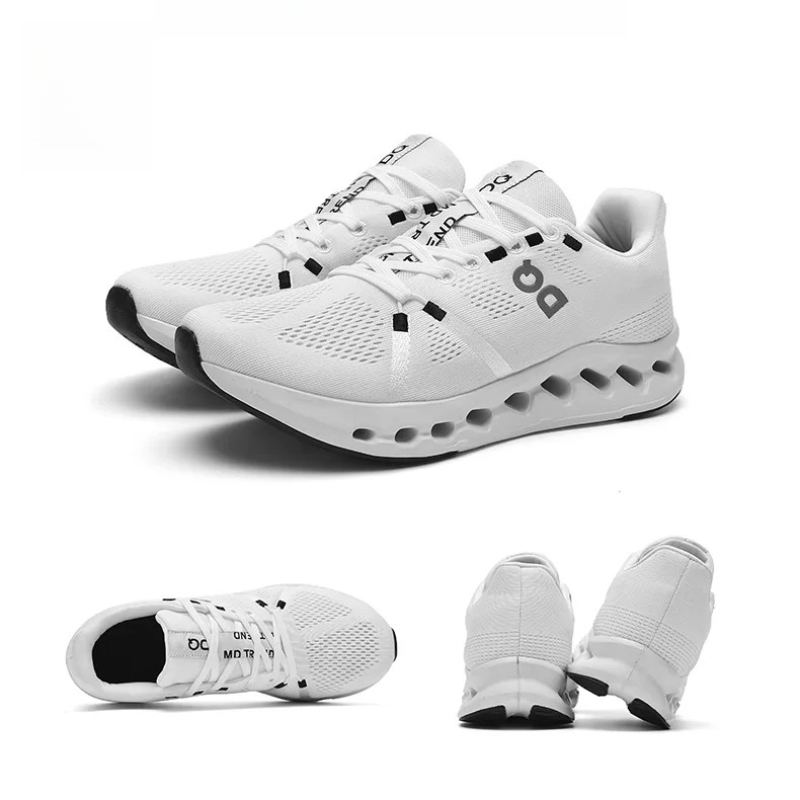
If you want to see the difference between 'generic' and 'quality-sourced,' look no further than our top pick for the season. We recommend the Men Casual Sports Running Shoes Marathon Air Cushion Breathable Lightweight Men Comfortable Athletic Nonskid Sneakers Outdoor. These aren't just shoes; they represent the kind of high-standard, durable product that customers actually stay loyal to. Whether for the morning marathon or a casual workday, the air cushion technology and breathable mesh are exactly what the modern African man needs for comfort and style.
The Difference Between a Shop and a Brand
A shop sells products; a brand sells a promise. To move away from the 'Boutique' delusion, you must ask yourself: Why should someone buy from me if they can find the same item elsewhere?
- Quality Control: Do you personally vet every stitch, or do you just open the bale and hope for the best?
- Customer Experience: Does your service end at the point of sale, or do you offer a guarantee that builds long-term trust?
- Niche Expertise: Are you selling 'everything for everyone,' or are you the undisputed king of a specific category, like athletic footwear or corporate wear?
In the Nigerian context, Trust is the real currency. Because so many people have been 'scammed' by online vendors, a business owner who uses verified platforms and transparent logistics like those facilitated by Kanemtrade immediately stands out. You aren't just selling a sneaker; you are selling the peace of mind that the sneaker won't fall apart after two weeks on the uneven pavements of Lagos.
Building Your Own Empire (The Right Way)
Stop focusing on the neon sign and start focusing on the foundation. The foundation of a real retail empire in Africa isn't the decor of the shop; it’s the efficiency of the backend. It’s knowing your landed cost to the last kobo. It’s having a logistics partner that doesn't disappear when your container arrives. It’s about moving from 'reselling' to 'curating.'
When you curate, you select products with intention. You look for items like the marathon air cushion sneakers mentioned above because you know they meet a specific need for durability and style. You document the process. You show your customers the quality checks. You become a transparent, verified entity in a market full of shadows.
Conclusion: Waking Up from the Delusion
The era of the 'lazy' boutique owner is coming to an end. As Nigerians become more tech-savvy and price-conscious, they will bypass the middlemen who add no value. To survive, you must evolve. Stop being just a reseller with a neon sign. Become a brand owner who understands sourcing, values verification, and respects the customer’s hard-earned money. Use tools like Kanemtrade to secure your supply chain, and stop letting the 'Boutique Delusion' keep you from building a real, sustainable business.
The sign on your door is just plastic and light. The strength of your business is in your source, your logistics, and the trust you build with every single delivery. Which one will you focus on today?