
 Phones and Accessories
 Computers and Accessories
 Men Clothing & Fashion
 Women Clothing and Fashion
 Home Improvement & Tools
 Jewelry & Accessories
 Health and Beauty
 Skincare
 Photochromic Glasses (Lens)
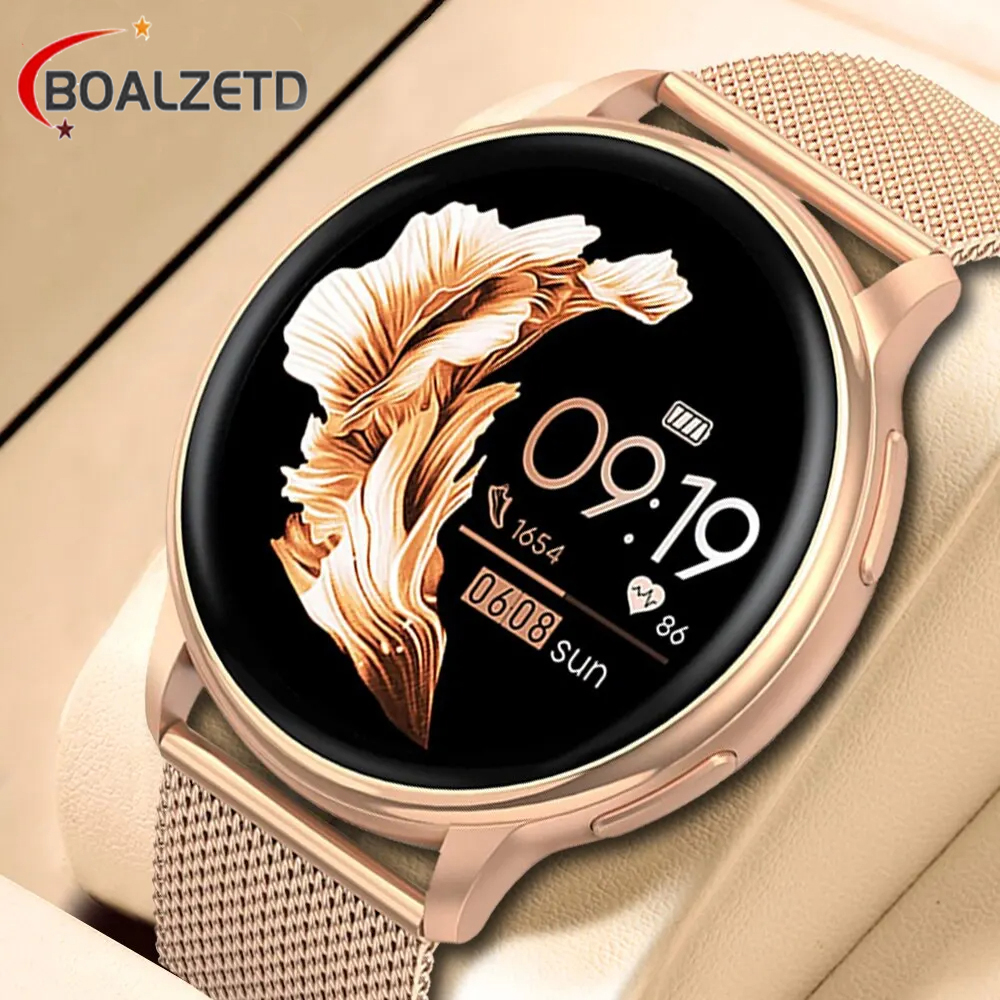 Smart watch
 Food and Groceries
 Animals & Pet Supplies
 Apparel & Accessories
 Arts & Entertainment
 Baby & Toddler
 Business & Industrial
 Cameras & Optics
 Electronics
 Food, Beverages & Tobacco
 Furniture
 Hardware
 Health & Beauty
 Home & Garden
 Luggage & Bags
 Mature
 Media
Media Office Supplies
 Religious & Ceremonial
 Software
 Sporting Goods
 Toys & Games
 Vehicles & Parts


Stop Saying 'Sorry, I Didn't Get That': Why Dumb AI is Killing Your Nigerian Business
Table of Contents
The Frustrating Loop: An Experience Every Nigerian Knows The Trust Deficit in African E-Commerce The Logistics Nightmare and the Bot's Inability to Help The 'How Much Last?' Factor: Why Negotiation Matters Conclusion: Putting the 'Person' Back in Personalization Why 'Dumb AI' is Worse Than No AI Editor’s Choice: The Professional’s Companion How to Fix Your AI Strategy

The Frustrating Loop: An Experience Every Nigerian Knows
Imagine this: You just spent your hard-earned Naira on a high-stakes order. You are anxious. You want to know if your package has left the warehouse in Lagos or if it is stuck somewhere in Ore. You open the chat window, hoping for a quick update, and you are met with: 'Hello! I am Botly. How can I help you today?'
You type: 'Where is my order?'
The response: 'I didn’t quite get that. Did you mean: View Catalog, Check Hours, or Talk to a Human?'
You click 'Talk to a Human.' The bot replies: 'Our humans are currently sleeping. Can I help you with your order status?'
This, in a nutshell, is the 'Dumb AI' disaster. In an era where efficiency is king, many Nigerian e-commerce businesses are accidentally building walls between themselves and their customers. Instead of solving problems, these poorly programmed chatbots are creating a 'wahala' that drives customers straight into the arms of the competition.
The Trust Deficit in African E-Commerce
In Nigeria, commerce is built on relationships. We don't just buy products; we buy from people we trust. Whether you are dealing with a vendor in International Trade Fair Complex or a boutique in Lekki, the ability to ask 'Is this the original?' and get a real, human confirmation is vital.
When you replace that human touch with a rigid, 'dumb' AI, you aren't just automating—you are eroding trust. Nigerian shoppers are already wary of 'What I ordered vs. What I got.' When a chatbot fails to answer a specific question about product quality or delivery timelines, it signals to the customer that the business doesn't care enough to be present. This is where platforms like Kanemtrade have changed the game. By focusing on verification and authentic business connections, they understand that technology should facilitate trust, not replace the human element that Nigerians crave.
Why 'Dumb AI' is Worse Than No AI
A 'dumb' chatbot is essentially a glorified FAQ page that is harder to navigate. It operates on strict keywords. If the customer doesn't use the exact word the developer programmed, the bot breaks. In our linguistically rich environment—where a customer might mix English, Pidgin, and local dialects—a rigid bot is a recipe for disaster.
- It ignores context: A bot doesn't know that 'The rain is falling in Port Harcourt' means logistics will be delayed.
- It lacks empathy: When a customer is angry about a failed delivery, a cheerful 'I am happy to help!' from a bot feels like a slap in the face.
- It wastes time: Instead of a 30-second call, the customer spends 10 minutes fighting a menu system.
Editor’s Choice: The Professional’s Companion
While technology can sometimes fail us, classic precision never does. For the business owner who values every second and understands that timing is everything in Nigerian logistics, we recommend the MEGIR Watch Men Business Wristwatch. This luminous, waterproof, leather-strap timepiece is designed for the professional who needs to stay on schedule, whether you're navigating a boardroom meeting or overseeing a warehouse delivery. A reliable watch for a reliable professional.
The Logistics Nightmare and the Bot's Inability to Help
Logistics in Nigeria is a complex dance. It involves navigating LASTMA, fuel scarcities, and the unpredictable nature of interstate highways. When a customer asks, 'Has the driver reached Mando park in Kaduna yet?', they aren't looking for a generic 'Your order is in transit' response. They need real-time, human-verified information.
This is why the Kanemtrade model of verified sellers and structured logistics support is so essential. It bridges the gap between the digital storefront and the physical reality of Nigerian roads. A chatbot cannot negotiate with a courier; a human can. A chatbot cannot verify if a seller in Kano has actually packed the right grade of leather; a verification system can.
The 'How Much Last?' Factor: Why Negotiation Matters
Let's be honest: negotiation is in our DNA. Even online, customers want to feel they are getting a deal. A chatbot is programmed with fixed prices. It cannot say, 'Okay, because you are buying five, I will give you a discount.' By removing the ability to negotiate or speak to someone with the authority to give a discount, businesses lose out on bulk sales and loyal 'long-time' customers.
How to Fix Your AI Strategy
If you must use automation, it should be a 'Hybrid' model. Here is how to do it right for the Nigerian market:
- The 60-Second Rule: If the bot cannot solve the problem in 60 seconds, it must automatically hand over to a human agent.
- Localize the Language: Program your bot to understand common Nigerian phrases and Pidgin. It should know what 'Waybill' means.
- Focus on Transparency: Use your bot to provide tracking links from trusted platforms like Kanemtrade, rather than just giving vague status updates.
- Verification First: Ensure your bot highlights your 'Verified' status to calm the nerves of first-time buyers.
Conclusion: Putting the 'Person' Back in Personalization
At the end of the day, your customers don't hate AI; they hate being ignored. They hate feeling like their money is going into a black hole managed by a machine that doesn't understand their needs. In the competitive landscape of Nigerian e-commerce, the businesses that win will be those that use technology to enhance human connection, not replace it.
Use automation for the simple things—like resetting passwords—but keep your humans front and center for the things that matter: trust, logistics, and building a brand that Nigerians can rely on. Don't let a 'dumb' bot be the reason your 'Great' business fails.