 Phones and Accessories
 Computers and Accessories
 Men Clothing & Fashion
 Women Clothing and Fashion
 Home Improvement & Tools
 Jewelry & Accessories
 Health and Beauty
 Skincare
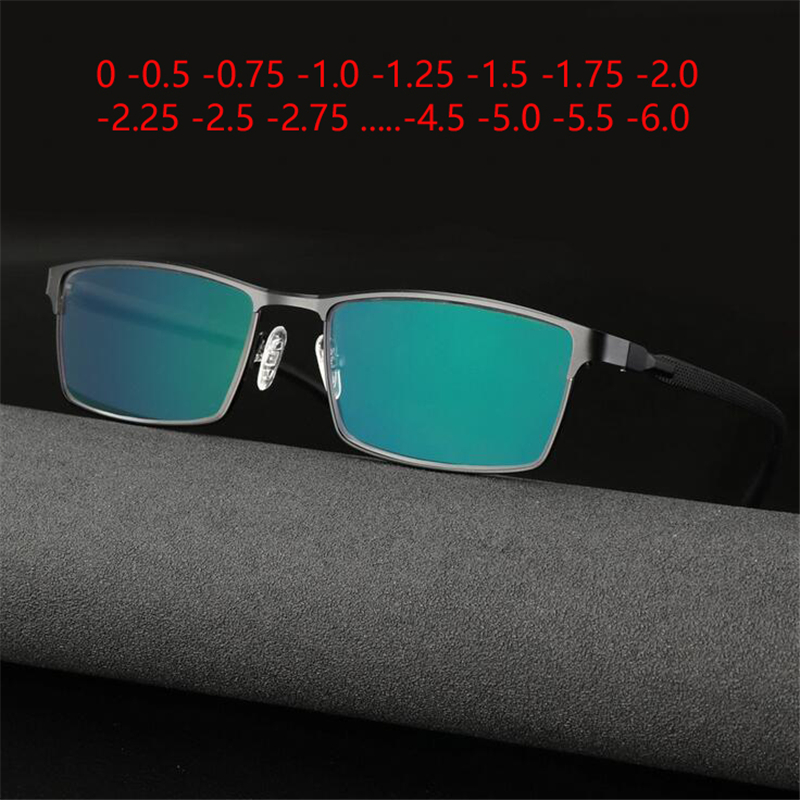 Photochromic Glasses (Lens)
 Smart watch
 Food and Groceries
 Animals & Pet Supplies
 Apparel & Accessories
 Arts & Entertainment
 Baby & Toddler
 Business & Industrial
 Cameras & Optics
 Electronics
 Food, Beverages & Tobacco
 Furniture
 Hardware
 Health & Beauty
 Home & Garden
 Luggage & Bags
 Mature
 Media
Media Office Supplies
 Religious & Ceremonial
 Software
 Sporting Goods
 Toys & Games
 Vehicles & Parts


Why Your 'Return Policy' is a Joke Nobody Laughs At: The Truth About Trust in Nigerian E-commerce
Table of Contents
The 'No Returns' Culture: A Business Suicide Note The Psychology of the Nigerian Shopper Why 'Store Credit' is Often an Insult The Kanemtrade Standard: Verification as the First Line of Defense The Long Game: Loyalty Over Quick Cash The Logistics Nightmare: The Real Elephant in the Room Editor’s Choice: The Standard of Quality How to Fix Your Return Policy Today

The 'No Returns' Culture: A Business Suicide Note
In the bustling markets of Lagos, Onitsha, and Kano, there is an unwritten rule that has migrated from the physical stalls to the digital storefronts: "Goods sold in good condition cannot be returned." For many Nigerian business owners, this phrase is a shield against the chaos of logistics. But for the customer? It is a giant red flag that says, "I do not trust my own products, and I definitely do not trust you."
Let’s be honest. Shopping online in Nigeria is often an extreme sport. Between the anxiety of 'What I ordered vs. What I got' and the prayer sessions held before opening a delivery package, the last thing a customer wants to see is a return policy that reads like a legal threat. If your return policy is a convoluted mess of 'ifs' and 'buts,' you aren't protecting your margins; you are killing your brand's future. In an era where Kanemtrade and other platforms are pushing for higher standards of verification, having a 'joke' of a return policy makes you a relic of the past.
The Psychology of the Nigerian Shopper
To understand why your return policy is failing, you must understand the environment of 'low trust' we operate in. The average Nigerian shopper has been 'burned' more times than a suya stick. They have dealt with Instagram vendors who disappear after payment and dispatch riders who treat fragile packages like footballs. When they land on your website, they are looking for a reason not to buy.
A transparent, fair return policy is not just a document; it is a psychological safety net. It tells the customer that you are confident in your sourcing and that you value their hard-earned Naira more than a one-time transaction. When you make returns difficult, you are telling the customer that their satisfaction is secondary to your convenience. In the long run, the cost of losing a repeat customer is far higher than the cost of processing a single return.
The Logistics Nightmare: The Real Elephant in the Room
We cannot talk about returns in Nigeria without talking about logistics. We know the 'wahala.' The road networks are unpredictable, and the cost of fuel has made delivery fees skyrocket. Many vendors fear that a flexible return policy will lead to a 'logistics loop' where they spend all their profits on dispatch riders. This is where Kanemtrade comes in, emphasizing the need for verification and quality control before the item even leaves the warehouse.
If you verify the product quality at the point of fulfillment, the 'return' becomes a rare exception rather than a daily occurrence. The goal is to build a system where the customer doesn't need to return the item, but they feel safe knowing they could.
Editor’s Choice: The Standard of Quality
Speaking of quality that removes the need for returns, our editors recently reviewed the Titanium Metal Strap for Samsung Galaxy Watch 8 40mm 44mm/Classic 46mm Stainless Steel Band for Galaxy Watch 8 Ultra 47mm Correa. This is a product that exemplifies why material choice matters. When you sell items built with this level of precision—using high-grade stainless steel and titanium—the 'What I ordered vs. What I got' trauma disappears. It is a premium upgrade for any Galaxy Watch user who values durability over cheap alternatives.
Why 'Store Credit' is Often an Insult
Many Nigerian e-commerce sites try to compromise by offering 'Store Credit Only' for returns. While this is better than a flat 'no,' it often feels like a trap. If a customer received a defective item or a wrong size, forcing them to buy from you again is like forcing someone to stay in a bad relationship. It doesn't build loyalty; it builds resentment.
A world-class return policy should offer a clear path to a refund if the error was on the vendor's part. If the customer just changed their mind, that is where store credit or an exchange makes sense. But when you hide behind 'Store Credit' for your own mistakes, you are telling the world that your business isn't ready for the big leagues.
The Kanemtrade Standard: Verification as the First Line of Defense
One of the ways to fix the 'return policy joke' is to stop the problem at the source. This is why verification is the heartbeat of modern African e-commerce. On platforms like Kanemtrade, the focus is on ensuring that what is listed is exactly what is in the box. When you prioritize transparency and third-party verification, you significantly reduce the friction that leads to returns.
Verification builds a bridge of trust between the buyer and the seller. It tells the buyer, "Someone else has looked at this and confirmed it is real." This reduces the 'return anxiety' and allows you to offer a more generous return policy because you know your products are solid.
How to Fix Your Return Policy Today
- Use Plain Language: Stop using 'heretofore' and 'notwithstanding.' Say: "If it doesn't fit, we will swap it within 3 days."
- Be Clear About Timelines: Don't leave people hanging. Give a specific window for returns (e.g., 24 hours for electronics, 7 days for fashion).
- Own Your Mistakes: If you sent the wrong color, you should bear the return shipping cost. Period.
- Make it Visible: Don't hide your policy in the footer in 8pt font. Put it on the product page. Show your confidence.
The Long Game: Loyalty Over Quick Cash
In the Nigerian market, word of mouth is more powerful than any Facebook ad. When a customer has a seamless return experience, they don't just come back; they tell their friends, their family, and their WhatsApp groups. They become your brand ambassadors. They say, "Buy from them, if there is any issue, they will fix it."
That level of trust is priceless. It is how you move from being a 'vendor' to being a 'brand.' It is how you survive the fluctuations of the economy. Your return policy shouldn't be a joke; it should be your strongest marketing tool. It’s time to stop laughing at the customers' concerns and start building a business that respects their investment.
In conclusion, the 'No Return' policy is a relic of an era of scarcity. We are now in an era of choice. If you don't treat your customers with the respect of a fair return policy, they will simply take their Naira elsewhere. Let Kanemtrade be your guide in establishing trust, and let your products speak for themselves. The future of African e-commerce is transparent, verified, and most importantly, respectful of the consumer.