 Phones and Accessories
 Computers and Accessories
 Men Clothing & Fashion
 Women Clothing and Fashion
 Home Improvement & Tools
 Jewelry & Accessories
 Health and Beauty
 Skincare
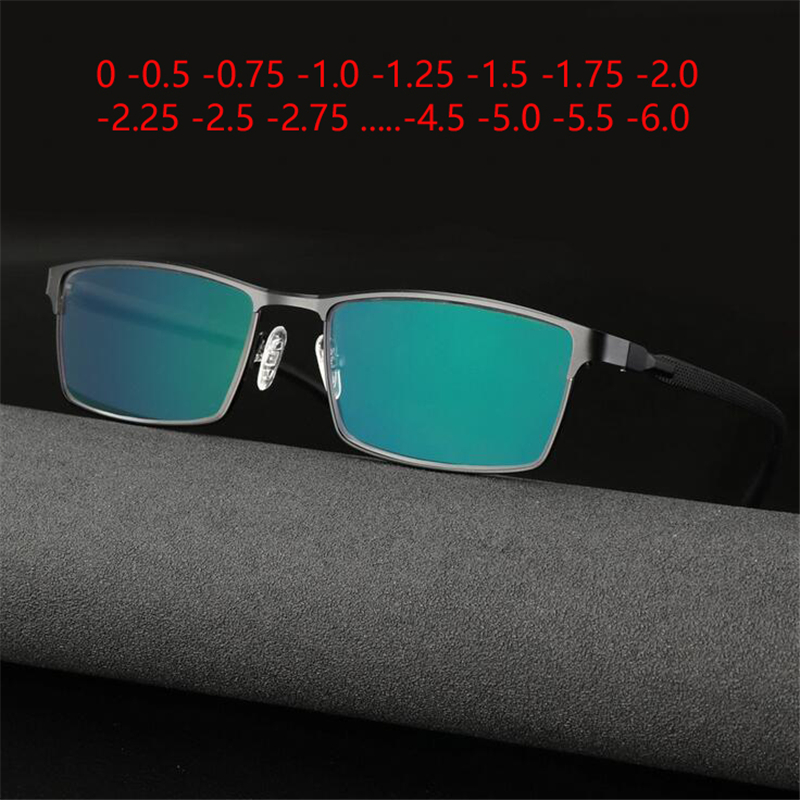 Photochromic Glasses (Lens)
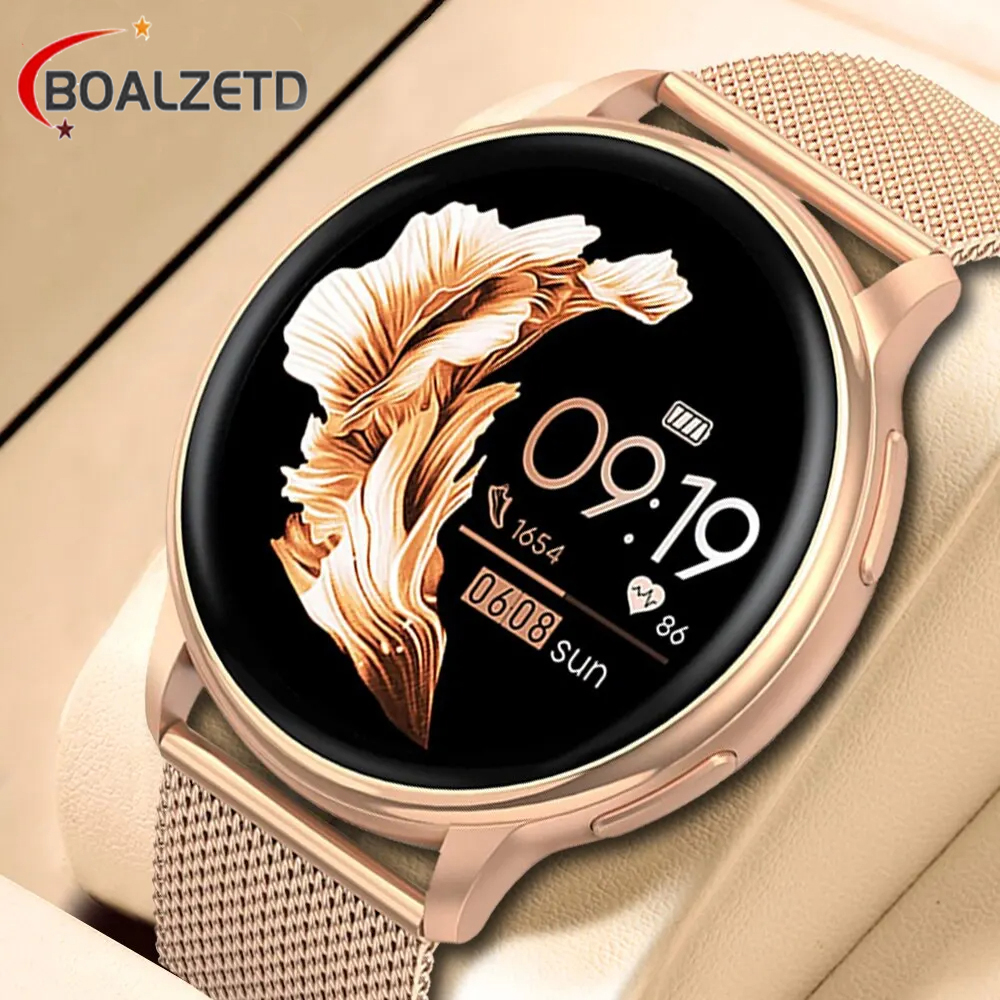 Smart watch
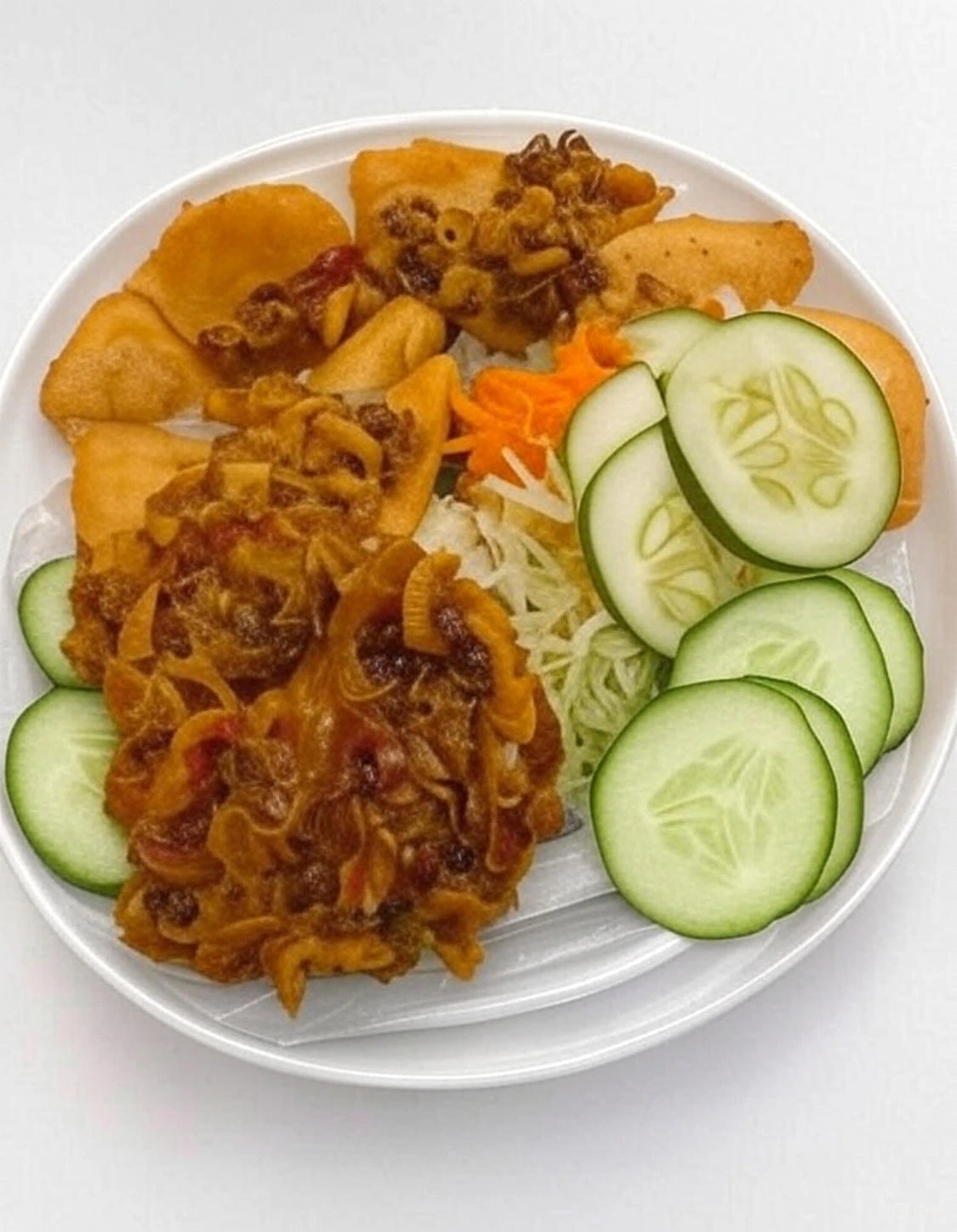 Food and Groceries
 Animals & Pet Supplies
 Apparel & Accessories
 Arts & Entertainment
 Baby & Toddler
 Business & Industrial
 Cameras & Optics
 Electronics
 Food, Beverages & Tobacco
 Furniture
 Hardware
 Health & Beauty
 Home & Garden
 Luggage & Bags
 Mature
 Media
Media Office Supplies
 Religious & Ceremonial
 Software
 Sporting Goods
 Toys & Games
 Vehicles & Parts


Why 'Real Life' Sells Better: Why Your Customers' Raw Photos Beat Expensive Studio Shoots in Nigeria
Table of Contents
The Great Nigerian E-commerce Paradox The 'What I Ordered vs. What I Got' Trauma The Cost of Doing Business: Saving Your Naira Bridging the Gap with Kanemtrade Conclusion: Authenticity Wins Why Relatability Trumps Perfection Editor’s Choice: The Ultimate Comfort Test How to Start Collecting UGC Today

The Great Nigerian E-commerce Paradox
We have all been there. You spend fifty thousand Naira—or much more—on a professional photographer in a high-end studio in Ikeja or Abuja. You hire a model who looks like they just stepped out of a music video, spend hours on makeup, and wait days for the 'perfect' edited shots. You post them on Instagram, expecting a flood of orders. But instead, what do you get? A comment section filled with the same three words: 'Send real pictures.'
It is frustrating, isn't it? You have spent a fortune to look professional, yet your audience is demanding something that looks like it was taken with a three-year-old Android phone in the middle of a busy market. This is the reality of the Nigerian digital marketplace. In an environment where 'What I Ordered vs. What I Got' has become a national trauma, authenticity is the only currency that actually converts into sales. This is where User Generated Content (UGC) enters the room and shuts down the expensive studio shoot every single time.
The 'What I Ordered vs. What I Got' Trauma
In Nigeria, e-commerce isn't just about convenience; it is about courage. Every time a customer clicks 'buy' on a website or sends a DM to a vendor, they are taking a leap of faith. We have all seen the horror stories—a dress that looks like a ball gown in the professional photo but arrives looking like a sack of flour, or shoes that look like premium leather online but turn out to be painted cardboard.
Expensive, over-edited photoshoots often trigger a 'defense mechanism' in the Nigerian buyer. When a photo looks too perfect, too polished, and too 'foreign,' the average buyer becomes suspicious. They wonder, 'Is this really the product, or is this just a stock photo from a Chinese website?' UGC—photos and videos taken by real people in real Nigerian settings—breaks down this wall of suspicion. It provides the social proof that no studio light can replicate.
Why Relatability Trumps Perfection
Relatability is the heartbeat of African commerce. When a potential customer sees a video of a regular guy walking down a street in Lagos, dodging a puddle while wearing a pair of sandals, they can see themselves in that scenario far better than they can see themselves in a sterile studio. UGC shows the product in its natural habitat. It shows how the light hits the material at 2:00 PM in the afternoon heat. It shows how the product handles the dust and the hustle.
- Trust Factor: A photo from a happy customer in Port Harcourt is worth more than ten professional shots.
- Verification: UGC serves as an unofficial 'verification' that the product actually exists in Nigeria.
- Peer Pressure: Seeing 'people like me' using a product creates a sense of belonging and urgency.
Editor’s Choice: The Ultimate Comfort Test
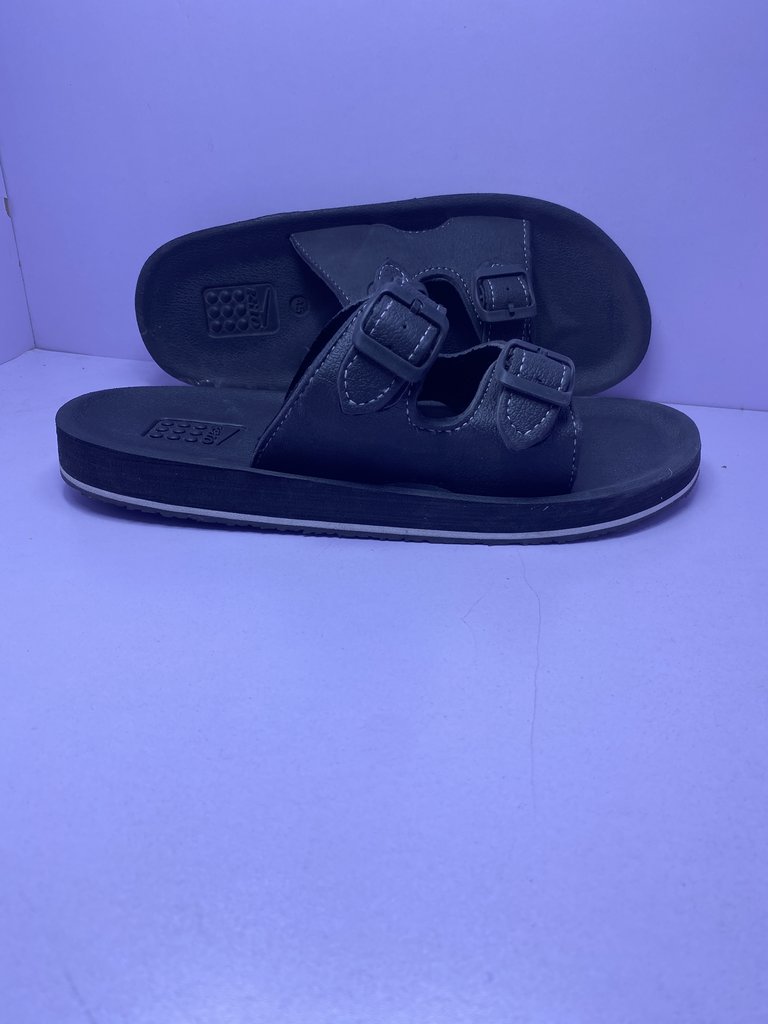
When we talk about products that stand up to the 'real life' test, we have to mention the Kito - Stylish and Comfortable Men's Slippers and Sandals. These aren't just for show; they are built for the Nigerian terrain. Whether you are navigating a rainy day or heading to a weekend Owambe, the Kito brand has become a staple because it looks just as good in a customer's raw WhatsApp status photo as it does in a catalog. It’s the kind of footwear that generates its own UGC because people can't help but show off how well it fits.
The Cost of Doing Business: Saving Your Naira
Let’s talk about the 'Naira and Kobo' of it all. Running a business in Nigeria is expensive. Between fluctuating exchange rates, the cost of diesel for your generator, and rising logistics fees, every kobo counts. An expensive photoshoot requires a studio, a photographer, a stylist, a model, and an editor. After all that, you might only end up with 10 usable photos.
UGC, on the other hand, is practically free—or at least, significantly cheaper. By encouraging your customers to send in photos or videos in exchange for a small discount or a shout-out, you are building a library of high-converting content without breaking the bank. You aren't just saving money; you are building a community. When a customer takes the time to film an unboxing video, they are becoming an advocate for your brand.
Bridging the Gap with Kanemtrade
The biggest challenge with UGC has always been verification. How does a new customer know that the 'customer review' they are seeing isn't fake? This is where Kanemtrade changes the game for Nigerian e-commerce. As an ecosystem built on trust, Kanemtrade provides a platform where products are verified and sellers are held to a standard.
When you combine authentic User Generated Content with a platform like Kanemtrade, you solve the two biggest problems in Nigerian online shopping: Trust and Logistics. Kanemtrade ensures that the product being praised in that grainy, authentic customer video is the exact same one that gets delivered to the buyer's doorstep, whether they are in Maiduguri, Enugu, or Lagos. The seamless logistics network means that the 'real' experience isn't ruined by weeks of waiting or 'missing' packages.
How to Start Collecting UGC Today
If you want to stop overspending on photoshoots and start selling more, follow these steps:
- The Package Insert: Include a small card in every delivery asking the customer to 'Show us how it fits' and tag you on social media.
- Run a Contest: Offer a giveaway for the best 'Product in Action' video of the month.
- Be Human: Post the 'unpolished' behind-the-scenes videos of your orders being packed. Nigerians love to see the work behind the brand.
- Leverage Logistics: Use the moment of delivery—the peak of customer excitement—to ask for a quick snap of the product.
Conclusion: Authenticity Wins
In the end, e-commerce in Africa is about relationships. Your customers don't want to be sold to by a faceless brand with perfect pictures; they want to buy from someone they trust. They want to see that Kito sandals on a real foot, on a real Nigerian road, being delivered by a reliable service like Kanemtrade. Stop chasing the 'perfect' shot and start embracing the 'real' one. Your bank account—and your customers—will thank you for it.