 Phones and Accessories
 Computers and Accessories
 Men Clothing & Fashion
 Women Clothing and Fashion
 Home Improvement & Tools
 Jewelry & Accessories
 Health and Beauty
 Skincare
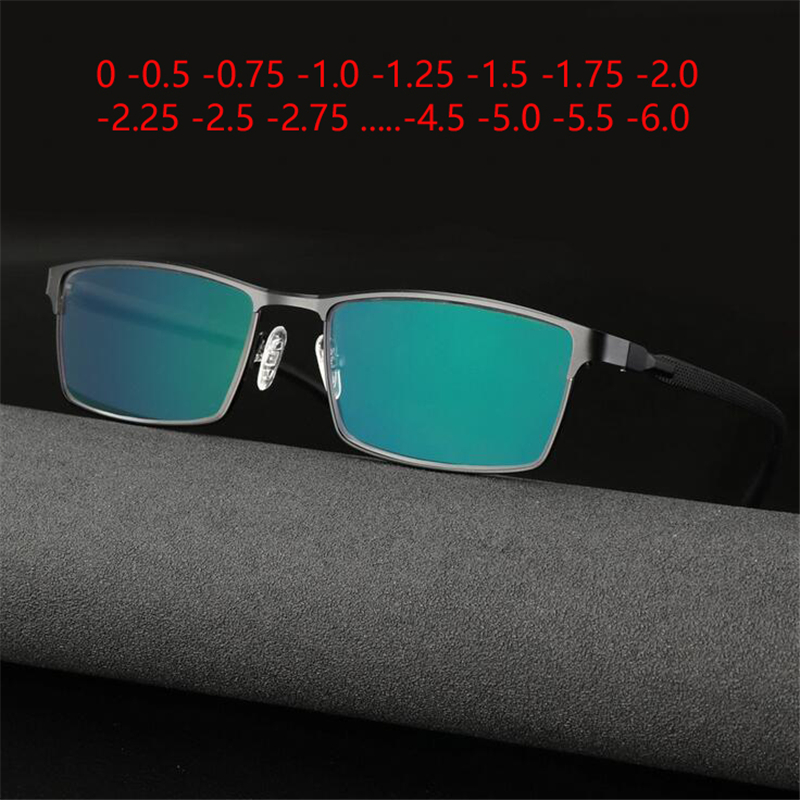 Photochromic Glasses (Lens)
 Smart watch
 Food and Groceries
 Animals & Pet Supplies
 Apparel & Accessories
 Arts & Entertainment
 Baby & Toddler
 Business & Industrial
 Cameras & Optics
 Electronics
 Food, Beverages & Tobacco
 Furniture
 Hardware
 Health & Beauty
 Home & Garden
 Luggage & Bags
 Mature
 Media
Media Office Supplies
 Religious & Ceremonial
 Software
 Sporting Goods
 Toys & Games
 Vehicles & Parts


The Silent Killer: Why "Inventory Rot" is More Dangerous for Your Business Than Being Sold Out
Table of Contents
The Emotional Trap of the Full Warehouse The Hidden Costs of "Holding" Stock in Nigeria Editor's Choice: High-Velocity Tech Why "Sold Out" is Actually a Flex Trust, Verification, and the Kanemtrade Advantage Conclusion: Let it Go to Grow 1. The Depreciation Nightmare 2. The Opportunity Cost The Psychological Shift: From Ownership to Flow

In the bustling heart of Lagos, from the narrow corridors of Alaba International to the sprawling warehouses in Maza-Maza, there is a visual that every Nigerian merchant has been taught to love: a shop full of goods. We see the ceiling-high stacks of boxes as a sign of wealth, a buffer against the rising dollar, and a testament to our status as 'Big Men' in the trade. But there is a silent, creeping poison hidden in those stacks. It is a phenomenon I call "Inventory Rot," and it is destroying more African businesses than the dreaded "Sold Out" status ever could.
The Emotional Trap of the Full Warehouse
As Nigerians, our history with scarcity has conditioned us to hoard. We remember the days when goods weren't available, and we fear the embarrassment of telling a customer, "E no dey." We think that as long as we have the stock, we have the money. But the reality is far more painful. Money that is sitting on a shelf is not money; it is a liability that is slowly evaporating. Inventory Rot isn't just about physical decay—though in our humid climate, that is a real threat—it is about the economic and psychological death of your capital.
When you hoard stock, you aren't just keeping goods; you are locking your destiny in a room where the rent is high and the value is dropping. Every day that a box sits unsold, it eats. It eats your warehouse rent, it eats the cost of the petrol you use for the generator to light the store, and most importantly, it eats your ability to pivot when the market shifts.
The Hidden Costs of "Holding" Stock in Nigeria
Let’s talk about the logistics of the Nigerian market. Moving goods from the port to your warehouse is a battle. The 'area boys,' the multiple checkpoints, and the unpredictable state of the roads make every shipment a victory. Because it is so hard to get goods in, we are tempted to over-order. But what happens next?
1. The Depreciation Nightmare
In the world of electronics and fashion, things move at the speed of light. If you bought 500 units of a specific gadget six months ago, by today, a newer, faster, and cheaper version has been released in Shenzhen. Your "wealth" is now obsolete. You are holding onto 2023 technology in a 2024 world. The market price drops, but because you bought it when the Naira was at a certain rate, you refuse to sell at a loss. Now you are stuck with "ghost capital."
2. The Opportunity Cost
This is the most painful part of the hustle. While your money is tied up in slow-moving crates, a new opportunity arises. Perhaps there is a sudden surge in demand for solar components or specific agricultural tools. You see the trend, you have the contacts, but you don't have the cash. Your cash is currently gathering dust in a warehouse in Onitsha. You watch your competitors, who stayed lean, jump on the new trend and make millions while you are still trying to offload last year’s mistakes.
Editor's Choice: High-Velocity Tech
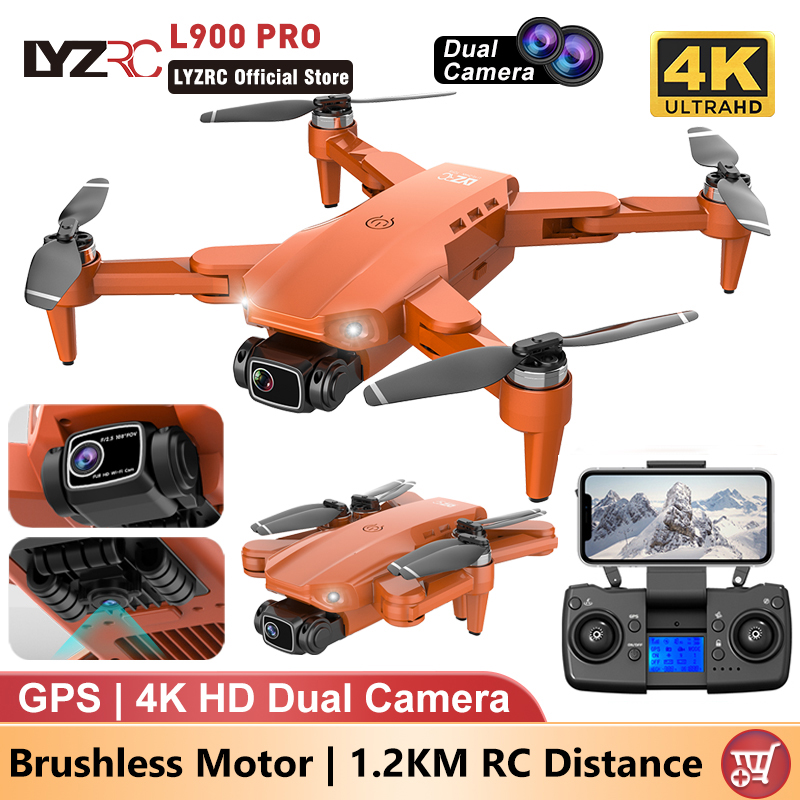
Smart sellers avoid rot by focusing on items with high turnover and proven demand. One such item currently dominating the aerial photography niche is the LYZRC L900 PRO 4K Professional HD Dual Camera GPS Drone 5G WIFI Brushless Motor FPV Quadcopter Foldable Aerial Photography Drone. Unlike generic electronics, these specialized drones maintain value due to their brushless motor durability and 4K capabilities. If you are looking to refresh your inventory with verified, high-demand tech, this is the gold standard for 2024.
Why "Sold Out" is Actually a Flex
We need to change the narrative. In a healthy business, "Sold Out" is not a failure; it is a signal of high velocity. It means your money is working. It means you have converted a physical asset back into liquid cash, plus profit, faster than the market could react. A seller who sells out every two weeks and restocks is ten times wealthier than a seller who has a warehouse that stays full for six months.
Velocity is the only way to beat inflation in Nigeria. If the Naira fluctuates, the person with liquid cash or fast-moving stock can adjust their prices in real-time. The person with "Rotting Inventory" is stuck trying to justify a price that the market no longer wants to pay. When you sell out, you prove that you understand your audience. You prove that your logistics chain is efficient. You prove that you are a trader, not a museum keeper.
Trust, Verification, and the Kanemtrade Advantage
One of the reasons Nigerian sellers hoard stock is the fear that they won't be able to find quality replacements quickly. This is where Kanemtrade changes the game. By using a platform that prioritizes trust and verification, you no longer need to buy two years' worth of stock at once. Kanemtrade connects you with verified suppliers and ensures that what you see is what you get.
Logistics in Nigeria is hard enough; don't make it harder by trying to be your own massive storage facility. By leveraging the Kanemtrade ecosystem, you can move toward a "Just-In-Time" inventory model. This reduces your risk of Inventory Rot and ensures that your capital stays fluid. When you know you can source verified goods and have them delivered through reliable logistics channels, the fear of being "Sold Out" vanishes. You begin to see it for what it is: a successful transaction.
The Psychological Shift: From Ownership to Flow
To survive the current economic climate, the African entrepreneur must stop being a "collector" of goods and start being a "conductor" of cash flow. Inventory Rot is a weight around your neck. It makes you slow, it makes you stressed, and it makes you poor in the long run.
- Audit your stock today: If it hasn't moved in 90 days, it's rotting. Slash the price, move it, and get your cash back.
- Prioritize Velocity: It is better to make 5% profit five times a month than 30% profit once every six months.
- Trust the Process: Use platforms like Kanemtrade to ensure you have a constant, verified stream of new products so you never feel the need to hoard again.
Conclusion: Let it Go to Grow
The heartbreak of seeing a warehouse full of goods that no one wants to buy is a pain I don't want you to feel. The "Inventory Rot" is a silent thief. It steals your sleep and your future. Embrace the lean model. Celebrate when your shelves are empty because it means your bank account is full. In the high-stakes world of Nigerian e-commerce, the winner isn't the one with the most boxes; it's the one with the fastest move. Stop hoarding. Start flowing. And let Kanemtrade be the bridge to your next big win.