 Phones and Accessories
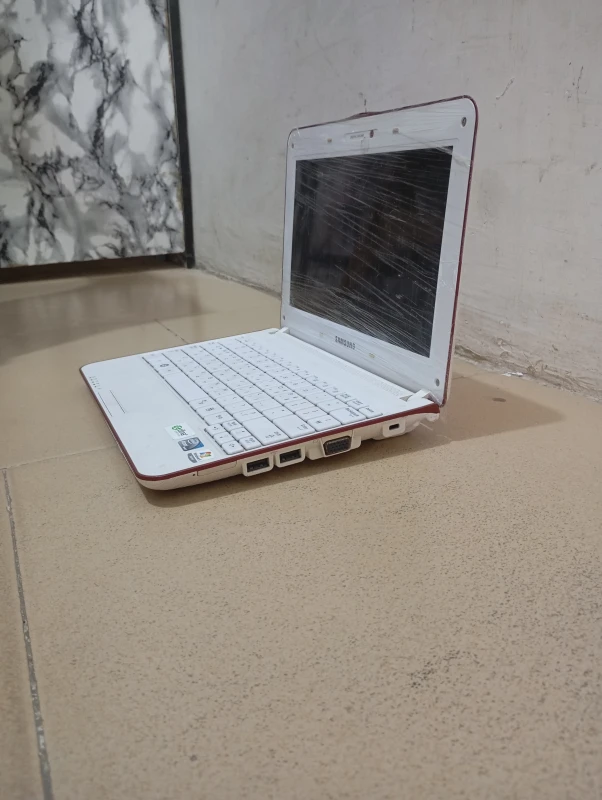 Computers and Accessories
 Men Clothing & Fashion
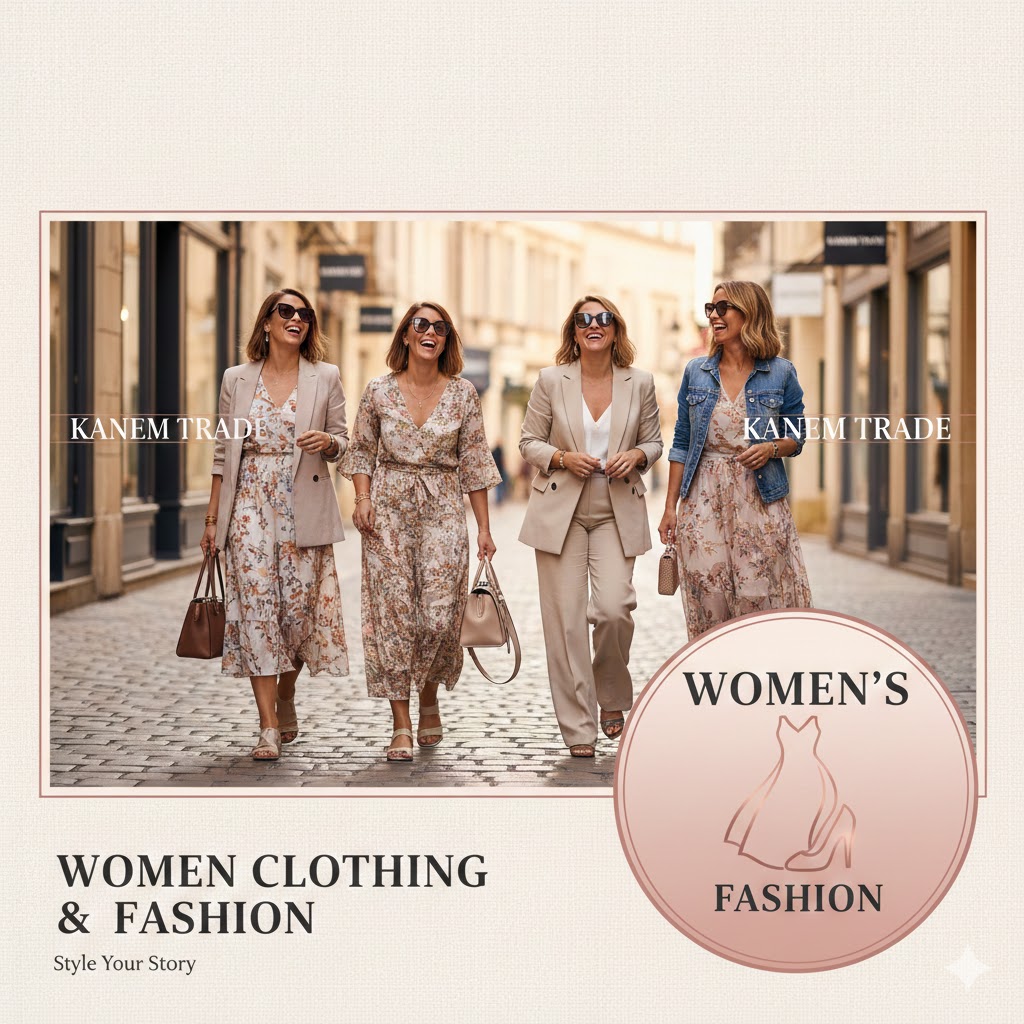 Women Clothing and Fashion
 Home Improvement & Tools
 Jewelry & Accessories
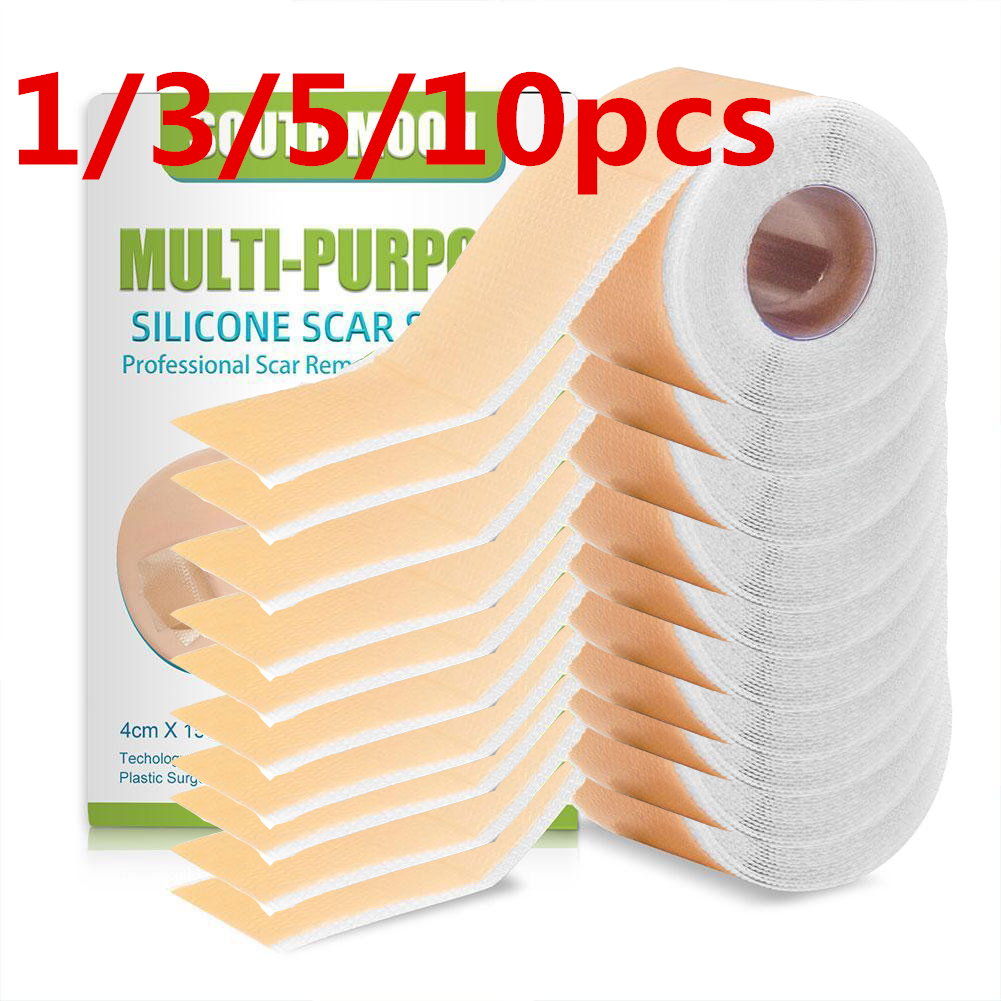 Health and Beauty
 Skincare
 Photochromic Glasses (Lens)
 Smart watch
 Food and Groceries
 Animals & Pet Supplies
 Apparel & Accessories
 Arts & Entertainment
 Baby & Toddler
 Business & Industrial
 Cameras & Optics
 Electronics
 Food, Beverages & Tobacco
 Furniture
 Hardware
 Health & Beauty
 Home & Garden
 Luggage & Bags
 Mature
 Media
Media Office Supplies
 Religious & Ceremonial
 Software
 Sporting Goods
 Toys & Games
 Vehicles & Parts


The Brutal Truth: Why Your 'Thank You' Card Ends Up in a Lagos Gutter in 5 Minutes
Table of Contents
The Moment of Truth at the Doorstep The Trust Deficit: Why Africans Don't Do 'Generic' Logistics, Kanemtrade, and the Verification Factor Three Reasons Your Card is Getting Trashed Bridging the Gap Between Transaction and Loyalty Editor’s Choice: The Gift of Vision 1. It’s All About You, Not Them 2. The 'Copy and Paste' Syndrome 3. No Call to Value

The Moment of Truth at the Doorstep
Imagine this: Your customer has been waiting for three days. They’ve battled the anxiety that comes with 'Instagram vendors,' wondering if they’ve been scammed or if the delivery rider is currently wandering around a different local government area. Finally, the package arrives. They tear it open with excitement, and a small, glossy piece of paper falls out. It says, 'Thank you for your patronage.' Five minutes later, that card is in the bin, or worse, swept into the gutter outside.
In the high-stakes world of Nigerian e-commerce, we often mistake a transaction for a relationship. We think that by adding a generic, mass-produced card, we are 'building a brand.' But in reality, if your card doesn't connect emotionally, it’s just more litter. To understand why this happens, we have to look at the unique psychology of the African consumer and the brutal reality of our logistics landscape.
The Trust Deficit: Why Africans Don't Do 'Generic'
In Nigeria, trust is the most expensive currency. Unlike Western markets where trust is the default, here, trust must be earned through fire. Every time a customer clicks 'pay,' they are taking a leap of faith. They are worried about 'What I Ordered vs. What I Got.' They are worried about the delivery fee changing at the last minute. They are worried about the package being damaged by a dispatch rider weaving through Lagos traffic.
When you send a generic 'Thank You' card, you are telling the customer that they are just another number in your spreadsheet. It lacks soul. In a culture where we value 'person-to-person' connection—where we greet the person selling roasted corn before we ask for the price—an impersonal card feels like a cold shoulder. If you want that card to stay on their fridge or in their wallet, it needs to reflect the struggle and the triumph of the purchase.
Logistics, Kanemtrade, and the Verification Factor
Let’s talk about the journey that package took. If you are using Kanemtrade, you already have a head start. Why? Because platforms like Kanemtrade focus on verification and bridging the gap between quality and the consumer. In a market flooded with counterfeits, being a verified seller is half the battle won. However, even with the best logistics and the security of a verified platform, the 'last mile' is where the emotional connection is sealed.
The logistics in Nigeria are a character in their own right. From the potholes to the unexpected rain, the package that reaches the customer is a survivor. Your 'Thank You' card should acknowledge that. It should feel like a celebration of a successful mission, not a corporate afterthought. When a customer knows their item was sourced, verified, and shipped through a reliable channel like Kanemtrade, they expect the final touch to match that level of professionalism and care.
Editor’s Choice: The Gift of Vision
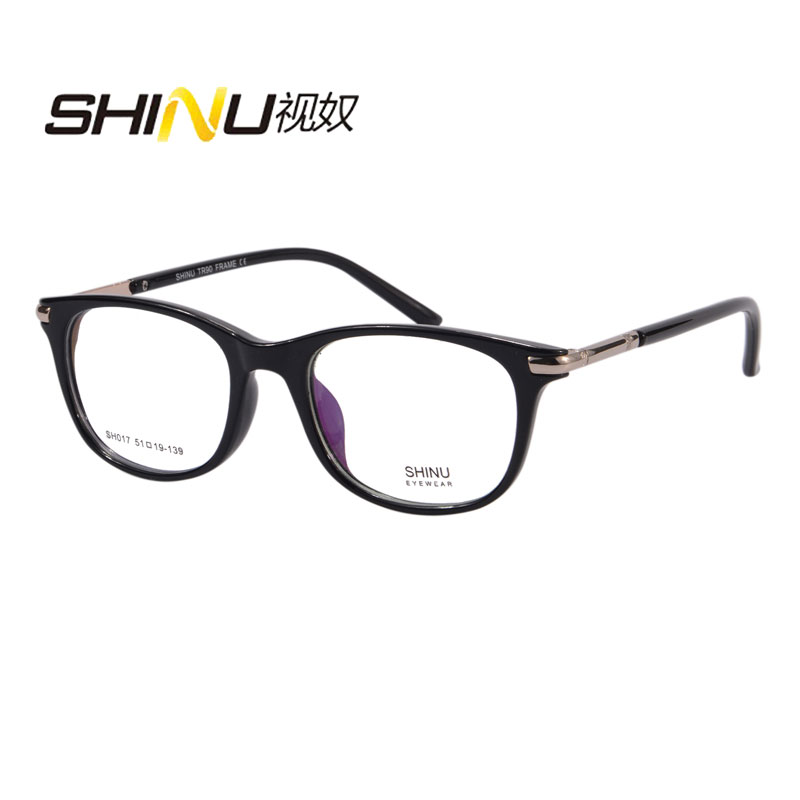
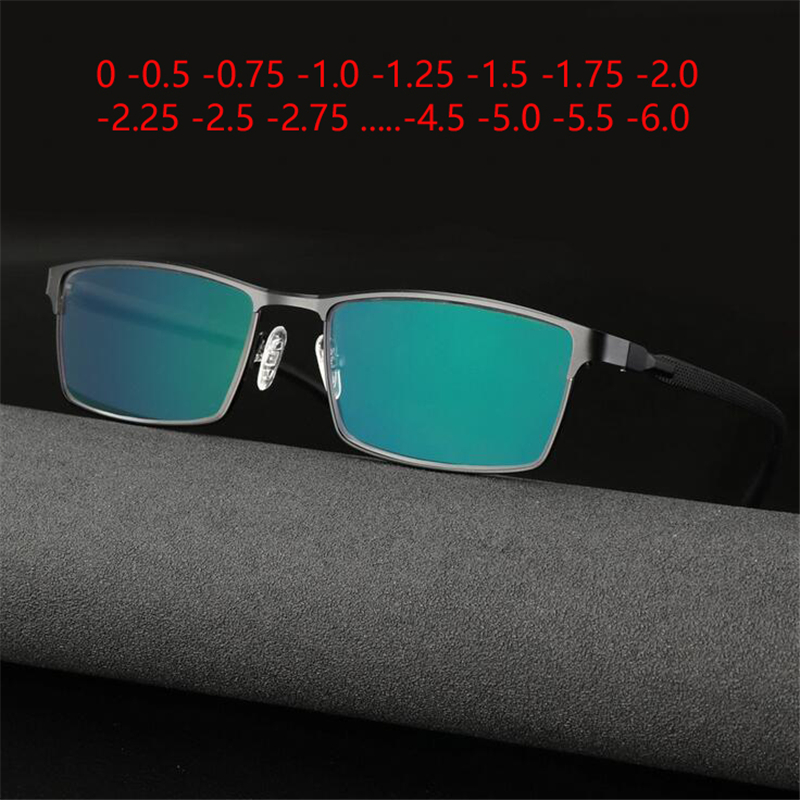
Speaking of quality and care, sometimes the best way to say thank you is to offer a product that truly changes a life. Our Editor’s Choice this month is the SHINU custom Women progressive multifocal reading glasses. These round eyeglasses, made with original TR90 material, are perfect for the modern woman who balances her screen time with her hustle. Whether it's for minus sight or multifocal needs, these glasses represent the kind of durability and style that every Nigerian entrepreneur appreciates.
Three Reasons Your Card is Getting Trashed
1. It’s All About You, Not Them
Most cards say, 'We appreciate your business.' This is a mistake. It focuses on the business’s gain. Instead, the card should focus on the customer’s transformation. Did they buy a dress? Tell them they’re going to be the talk of the wedding. Did they buy electronics? Tell them their home just got an upgrade. If the card makes them feel good about themselves, they won’t throw it away.
2. The 'Copy and Paste' Syndrome
If your card looks like the one from the shop next door, it has no value. We see this all the time in the Nigerian market—everyone uses the same pink floral template from Canva. Personalization is the antidote to the gutter. Even writing the customer’s name by hand can increase the lifespan of that card by weeks. It shows that a human being, not a machine, packed that order.
3. No Call to Value
A thank you card that doesn't offer a reason to return is just a dead end. In the Nigerian context, we love a 'jara' (a little extra). Your card should contain a secret discount code, a tip on how to maintain the product, or an invitation to a private community. Give them a reason to keep that piece of paper in their drawer instead of under their shoe.
Bridging the Gap Between Transaction and Loyalty
Building a brand in Africa requires more than just good products; it requires empathy. You have to understand that your customer is likely stressed, tired, and skeptical. Your packaging is your only chance to give them a 'hug' through the plastic wrap. When you combine the reliability of a platform like Kanemtrade with a deeply personal touch, you create a loyalist, not just a customer.
Next time you sit down to order a batch of 'Thank You' cards, stop. Think about the person in Port Harcourt or Abuja who is opening your box. Think about the dust, the heat, and the joy of finally getting what they paid for. Write to that person. Speak to their hustle. Validate their choice. If you do that, your card will never see the bottom of a gutter again.
- Be Specific: Mention the product they bought.
- Be Human: Use local nuances and relatable language.
- Be Reliable: Remind them that they are buying from a verified, trusted source.
In the end, e-commerce is not about moving boxes; it’s about moving hearts. Let your 'Thank You' card be the start of a conversation, not the end of a transaction.