 Phones and Accessories
 Computers and Accessories
 Men Clothing & Fashion
 Women Clothing and Fashion
 Home Improvement & Tools
 Jewelry & Accessories
 Health and Beauty
 Skincare
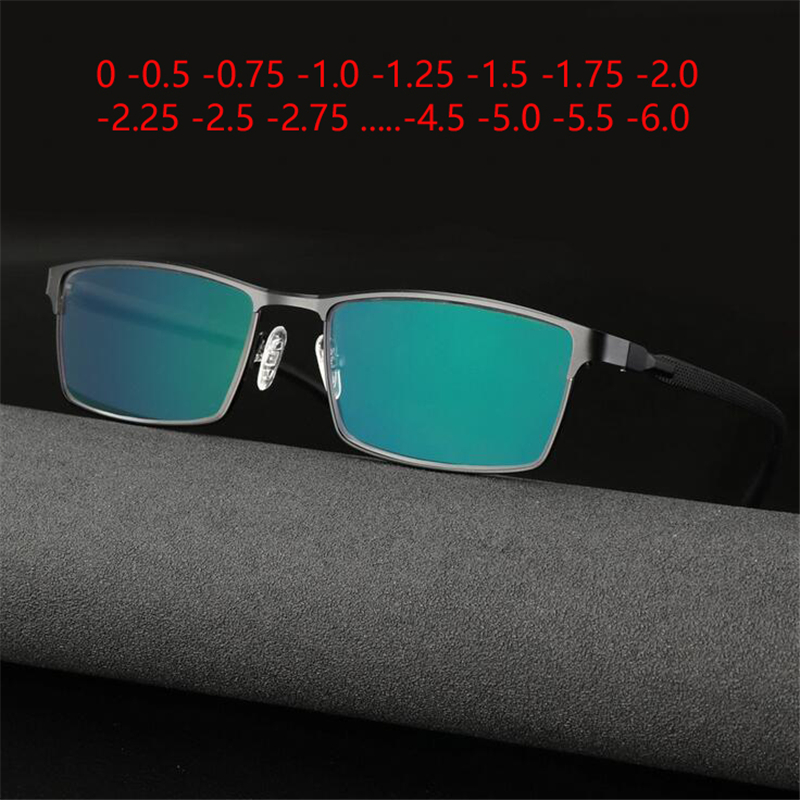 Photochromic Glasses (Lens)
 Smart watch
 Food and Groceries
 Animals & Pet Supplies
 Apparel & Accessories
 Arts & Entertainment
 Baby & Toddler
 Business & Industrial
 Cameras & Optics
 Electronics
 Food, Beverages & Tobacco
 Furniture
 Hardware
 Health & Beauty
 Home & Garden
 Luggage & Bags
 Mature
 Media
Media Office Supplies
 Religious & Ceremonial
 Software
 Sporting Goods
 Toys & Games
 Vehicles & Parts


Stop Bleeding Money: 5 Reasons Your Nigerian E-commerce Sales Funnel is Leaking Cash (and How to Fix It)
Table of Contents
The Frustration of the 'Empty Cart' Syndrome 1. The Trust Gap: The 'No Be Juju' Factor 2. The Logistics Nightmare: When 'Delivery' Kills the Deal 3. The 'Pay on Delivery' Trap 4. Poor Mobile Optimization 5. Lack of Follow-Up (The Fortune is in the Follow-up) Conclusion: Tighten the Screws The Power of Social Proof How to Plug the POD Leak:

The Frustration of the 'Empty Cart' Syndrome
You’ve spent your hard-earned Naira on Facebook and Instagram ads. You’ve stayed up late tweaking your product descriptions, and you’ve finally launched that 'killer' sales funnel. But at the end of the month, your bank account isn’t reflecting the 'Gbosa!' you expected. Instead, you have a pile of 'How much?' comments, abandoned carts, and customers who disappear the moment you mention shipping fees. Your sales funnel isn't just a pipe; it’s a basket, and your cash is leaking out of every hole.
In the Nigerian e-commerce space, the struggle is real. We are dealing with a unique market where trust is low, logistics are unpredictable, and the 'What I ordered vs. What I got' trauma is ingrained in the DNA of every shopper. If you want to stop the bleeding, you need to understand exactly where those leaks are happening.
1. The Trust Gap: The 'No Be Juju' Factor
The biggest leak in any Nigerian sales funnel is lack of trust. In a country where people have been 'served breakfast' by online vendors countless times, your polished website might actually look suspicious. If a customer doesn't feel 100% sure that you are a real person with real products, they will exit your funnel faster than a Lagos Danfo driver in a rush.
How do you fix this? Verification. This is where platforms like Kanemtrade become your best friend. By using verified sourcing and quality control measures, you can show your customers that what they see is exactly what they will get. Trust isn't built with fancy graphics; it's built with transparency and proof that your business is legitimate.
The Power of Social Proof
Don't just say you're good. Show it. Use video testimonials, screenshots of WhatsApp chats (with permission), and pictures of your products in real Nigerian settings. A photo of a package being handed to a GIGM or Red Star courier says more than a thousand stock photos ever could.
Editor’s Choice: The Executive Look
Staying professional is the first step to building trust with your high-ticket clients. Whether you are heading to a board meeting in Victoria Island or a wedding in Abuja, the New Designer Men's Leather Shoes Trend Luxury Brand Business Pointed Toe Leather Shoes Casual Shoes Leather Buckle Men's Loafers are the perfect blend of style and authority. These aren't just shoes; they are a statement of success.
2. The Logistics Nightmare: When 'Delivery' Kills the Deal
You’ve done the hard work of convincing a customer to click 'Buy Now,' only to lose them at the checkout because of shipping costs or timelines. In Nigeria, logistics is the 'final boss' of e-commerce. If your funnel doesn't account for the reality of Lagos traffic, bad roads in the East, or the cost of sending a parcel to Maiduguri, you are leaking cash.
Customers hate surprises. If they see a price of ₦20,000 on your ad, but the checkout page jumps to ₦28,000 because of 'Logistics,' they will bail. Be upfront about your shipping costs. Better yet, build the shipping cost into the product price and offer 'Free Shipping Nationwide.' It’s a psychological trick that works every time in the Nigerian market.
3. The 'Pay on Delivery' Trap
We need to talk about the elephant in the room: Pay on Delivery (POD). While it’s a great way to build trust, it's also a major source of 'leaking cash.' Between high return-to-origin (RTO) rates and customers who suddenly 'travelled' when the dispatch rider arrives, POD can drain your margins.
How to Plug the POD Leak:
- Commitment Fee: Ask for a small, non-refundable delivery fee (e.g., ₦2,000) to ensure the customer is serious.
- Confirmation Calls: Never ship a product without a voice call to confirm the order. A 'Yes' on a website isn't the same as a 'Yes' on the phone.
- Fast Fulfillment: The longer it takes to ship, the more time the customer has to change their mind or spend the money on something else.
4. Poor Mobile Optimization
Most Nigerians access the internet via mobile phones, often on sub-optimal network speeds. If your sales funnel takes 10 seconds to load or has buttons that are too small for a human thumb, you are losing money. Your funnel needs to be 'lite' and fast. Large, unoptimized images are the enemies of conversion. Use tools to compress your images and ensure your checkout process is as few clicks as possible.
5. Lack of Follow-Up (The Fortune is in the Follow-up)
Did you know that most sales happen after the 5th or 7th touchpoint? In Nigeria, people are distracted. A customer might start an order, get a call from their 'Aunty,' and forget your website exists. If you aren't using email marketing, SMS reminders, or WhatsApp retargeting, you are leaving millions on the table.
Use automated tools to remind customers about their abandoned carts. A simple WhatsApp message saying, 'Hello, we noticed you didn't finish your order. Is there any problem?' can recover 20-30% of your lost sales.
Conclusion: Tighten the Screws
Building a sales funnel is not a 'set it and forget it' task. You must constantly monitor where people are dropping off. Is it the landing page? Is it the shipping cost? Or is it the lack of trust? By leveraging platforms like Kanemtrade for better sourcing and verification, and by understanding the unique psyche of the Nigerian consumer, you can turn your leaking funnel into a well-oiled profit machine.
Stop letting your hard-earned Naira go down the drain. Fix the leaks, build the trust, and watch your business scale to heights you never thought possible. No be juju, na strategy!