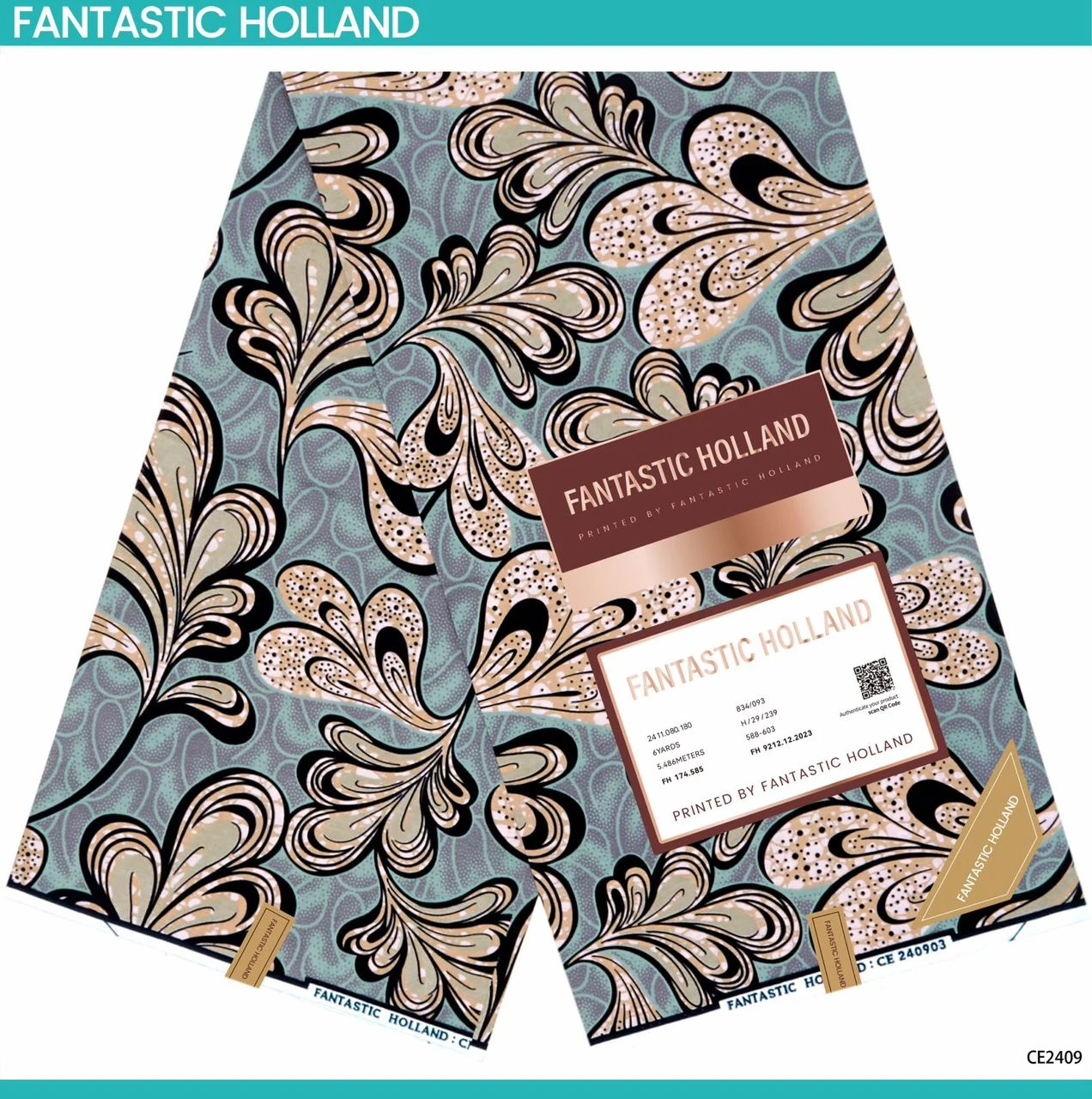
 Phones and Accessories
 Computers and Accessories
 Men Clothing & Fashion
 Women Clothing and Fashion
 Home Improvement & Tools
 Jewelry & Accessories
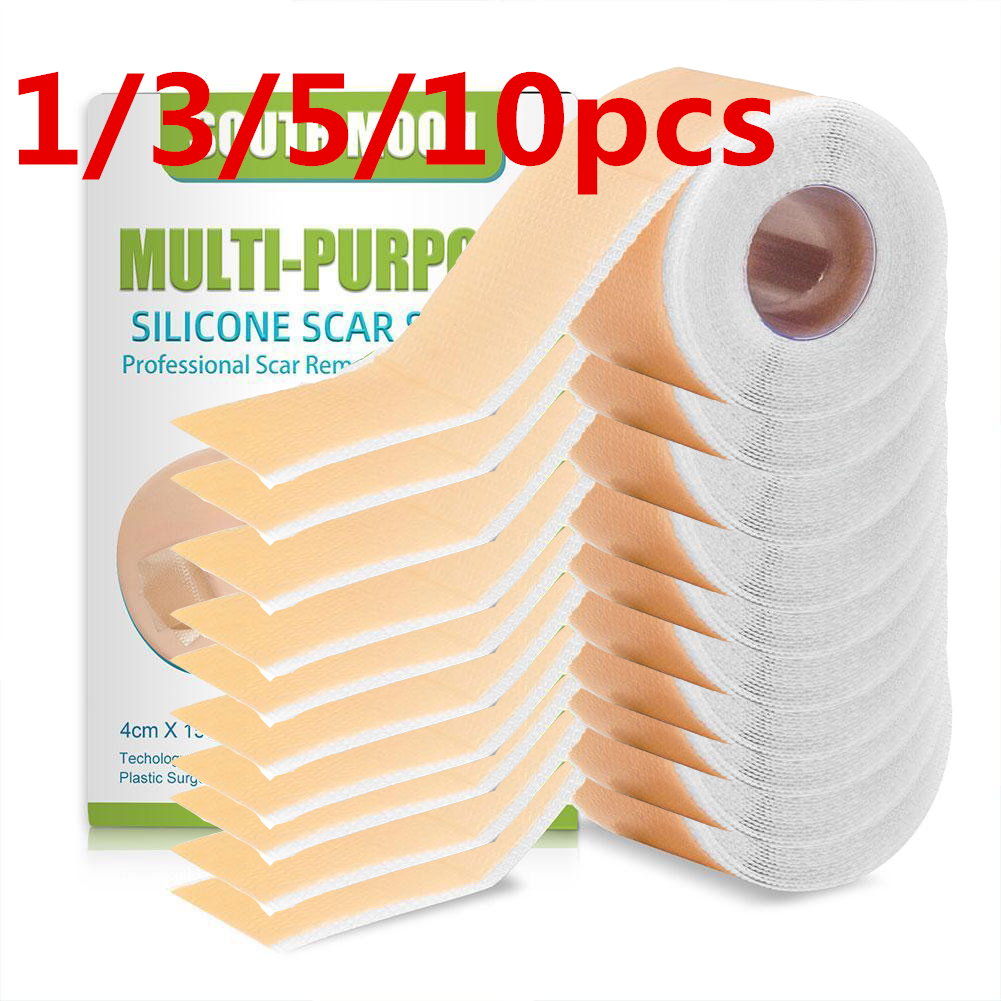 Health and Beauty
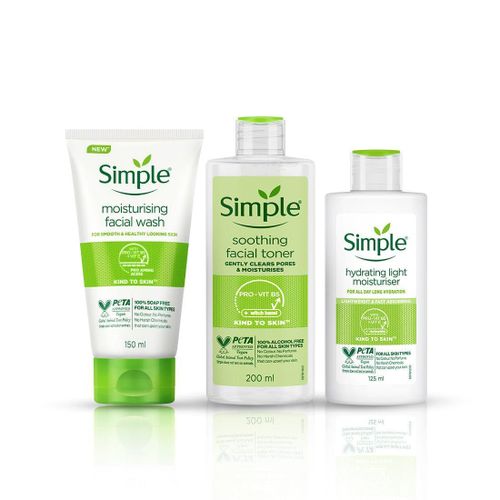 Skincare
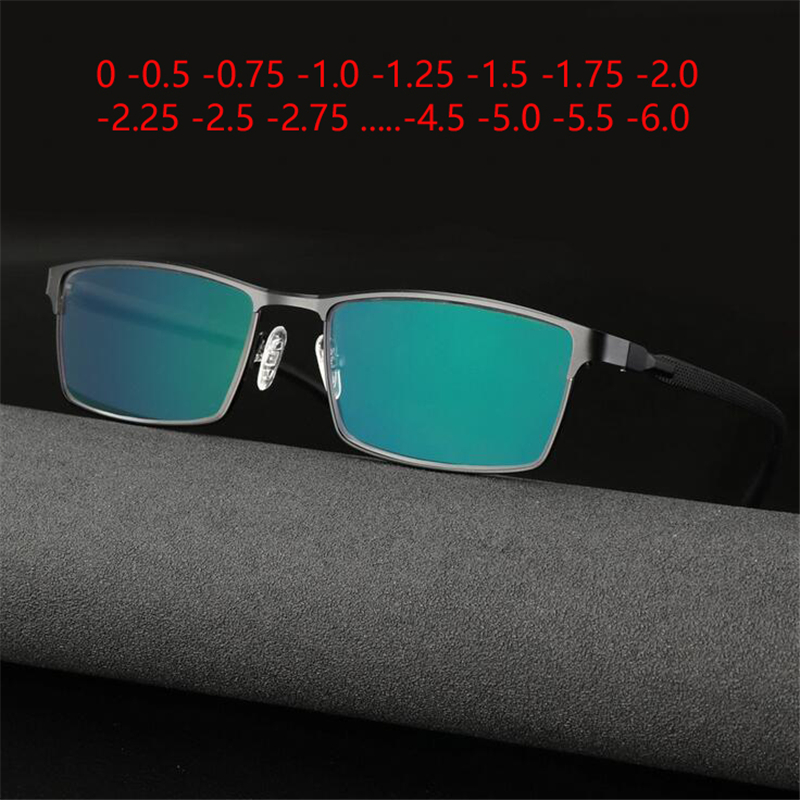 Photochromic Glasses (Lens)
 Smart watch
 Food and Groceries
 Animals & Pet Supplies
 Apparel & Accessories
 Arts & Entertainment
 Baby & Toddler
 Business & Industrial
 Cameras & Optics
 Electronics
 Food, Beverages & Tobacco
 Furniture
 Hardware
 Health & Beauty
 Home & Garden
 Luggage & Bags
 Mature
 Media
Media Office Supplies
 Religious & Ceremonial
 Software
 Sporting Goods
 Toys & Games
 Vehicles & Parts


Silence on Launch Day: Why Your 'New Collection' Dropped and Nobody Cared (And How to Fix It)
Table of Contents
The Heartbreak of the Silent Notification 1. You Sold a Product, Not a Story 2. The 'What I Ordered vs. What I Got' Fear 3. The Logistics Wahala: Shipping is Marketing 4. You’re Marketing to 'Everyone' (Which Means No One) 5. The Lack of Social Proof and Street Credibility 6. Your Pricing Strategy is Confusing The Road to a Sold-Out Collection Editor’s Choice: The Foundation of Elite Fashion

The Heartbreak of the Silent Notification
You’ve spent the last three months in a fever dream. You scouted the best tailors in Aba or Lagos, agonized over the perfect shade of indigo, and spent a fortune on a photographer who promised you 'Vogue vibes.' You stayed up late drafting captions, teasing the launch with 'Coming Soon' graphics that you thought were fire. Then, the big day arrived. You hit 'Publish' on your Instagram feed, updated your WhatsApp status, and waited.
But instead of the 'Sold Out' notifications you visualized, you got... crickets. A few likes from your cousins, a 'Fire' emoji from your best friend, and maybe one person asking 'How much?' only to disappear when you replied. It’s painful. It feels like a personal rejection of your creativity and hard work. In the Nigerian fashion space, where everyone is a 'CEO' and competition is stiffer than starched Atamfa, why did your collection flop?
As a professional strategist, I see this every day. The truth is, having a great design is only 20% of the battle. The other 80% is a complex mix of psychology, trust, logistics, and storytelling. Let’s dive into why your drop went unnoticed and how to ensure your next one becomes the talk of the town.
1. You Sold a Product, Not a Story
In the bustling markets of Africa, from Kano to Accra, people don’t just buy clothes; they buy identities. If your marketing consisted of just a photo of a model and the caption 'New Collection Now Live. DM for Price,' you have already failed. In 2024, 'DM for price' is where interest goes to die. It creates an immediate barrier and tells the customer you aren’t ready for professional business.
Nigerians, in particular, are moved by narrative. Why did you choose these patterns? Is this collection for the woman who just got a promotion? Is it for the man who wants to command respect at the Sunday service? When you don't tell a story, your clothes are just pieces of fabric sewn together. Without a 'why,' there is no emotional connection, and without connection, there is no conversion.
2. The 'What I Ordered vs. What I Got' Fear
We have all been victims. You see a gorgeous dress online, pay through your nose, and what arrives looks like a secondary school uniform gone wrong. This trauma has made the average African shopper extremely cynical. If your brand doesn't scream 'Trustworthy,' nobody will bring out their ATM card.
This is where verification becomes your most powerful marketing tool. Shoppers are looking for signals that you won't disappear with their hard-earned Naira. Using platforms like Kanemtrade helps bridge this gap. When customers see that a brand is hosted on a platform that prioritizes verified vendors and secure transactions, the 'fear factor' drops significantly. Trust is the primary currency of African e-commerce; if you haven't earned it, you won't spend it.
Editor’s Choice: The Foundation of Elite Fashion
Success in the fashion world starts with the raw material. If you want to avoid the 'looks cheap' trap, you need fabric that commands attention before the first stitch is even made. We recommend the Legendary Elegance: Original Fantastic Holland Veritable Block Prints – Premium Atamfa Turmi Dashiki Fabric for Elite African Fashion. This isn't just fabric; it is a statement of heritage and high-end quality that ensures your designs live up to the 'Elite' tag.
3. The Logistics Wahala: Shipping is Marketing
You might have the best collection in West Africa, but if your shipping policy is 'I will send it when I find a bike man,' you are losing money. Logistics in Nigeria is a major pain point. Customers are tired of hearing 'The dispatcher's bike broke down' or 'Waybill has increased.'
If you didn't clearly state your delivery timelines or if your shipping costs are nearly the price of the dress, shoppers will abandon their carts. To win, you must professionalize your logistics. Mentioning that you use reliable partners or that you operate through structured marketplaces like Kanemtrade, which understands the local terrain, gives the customer peace of mind. They need to know that their 'New Year outfit' won't arrive in February.
4. You’re Marketing to 'Everyone' (Which Means No One)
One common mistake Nigerian designers make is trying to satisfy everyone. Your collection has a corporate gown, a clubbing outfit, a traditional wrapper set, and a kiddy’s jumpsuit. When you try to speak to everyone, your voice gets drowned out in the noise.
The most successful brands are those that pick a niche and dominate it. Are you the king of premium Dashiki? Are you the queen of ready-to-wear office glam? By narrowing your focus, you become an authority. People don't just want 'clothes'; they want the specific solution you provide for their specific lifestyle. Your 'New Collection' likely dropped to silence because the people who saw it didn't feel like it was made specifically for *them*.
5. The Lack of Social Proof and Street Credibility
In our culture, we look at what others are doing before we jump in. If no one is talking about your brand, it’s hard to be the first to buy. This is the 'Social Proof' paradox. How do you get sales if you don't have sales to show?
You need to leverage testimonials, behind-the-scenes footage, and even micro-influencers who actually fit your brand's vibe. But more importantly, you need to show that you are a real, verified business. This is why being part of a larger ecosystem like Kanemtrade is vital. It gives your brand a 'digital shopfront' that feels more permanent and professional than just a random Instagram page. It provides the street credibility needed to convince a stranger in Port Harcourt to send money to a designer in Kaduna.
6. Your Pricing Strategy is Confusing
Is your brand luxury, mid-range, or budget? If your photos look like luxury but your prices look like 'clearance sale,' people get suspicious. If your photos look amateur but your prices are 'designer,' people get angry. Your pricing must reflect the value of the fabric, the intricacy of the design, and the brand experience you provide.
If you are using premium materials like Dutch block prints, your pricing should reflect that, but so should your presentation. You cannot sell 'Elite' fashion with blurry photos taken against a dirty wall. The entire experience—from the first ad they see to the package they unwrap—must be cohesive.
The Road to a Sold-Out Collection
If your last drop didn't go as planned, don't give up. Use it as data. Was it the price? Was it the lack of trust? Was it the delivery cost? To fix it, start by professionalizing your presence. Move away from 'DM for price' and move toward a verified, structured e-commerce approach. Leverage the power of African-centric platforms like Kanemtrade to handle the trust and verification issues while you focus on what you do best: creating stunning fashion.
Next time, tell a story. Show the quality of the thread. Explain why that specific Atamfa is legendary. When you combine authentic African creativity with professional business structures, you won't just drop a collection; you'll start a movement.