 Phones and Accessories
 Computers and Accessories
 Men Clothing & Fashion
 Women Clothing and Fashion
 Home Improvement & Tools
 Jewelry & Accessories
 Health and Beauty
 Skincare
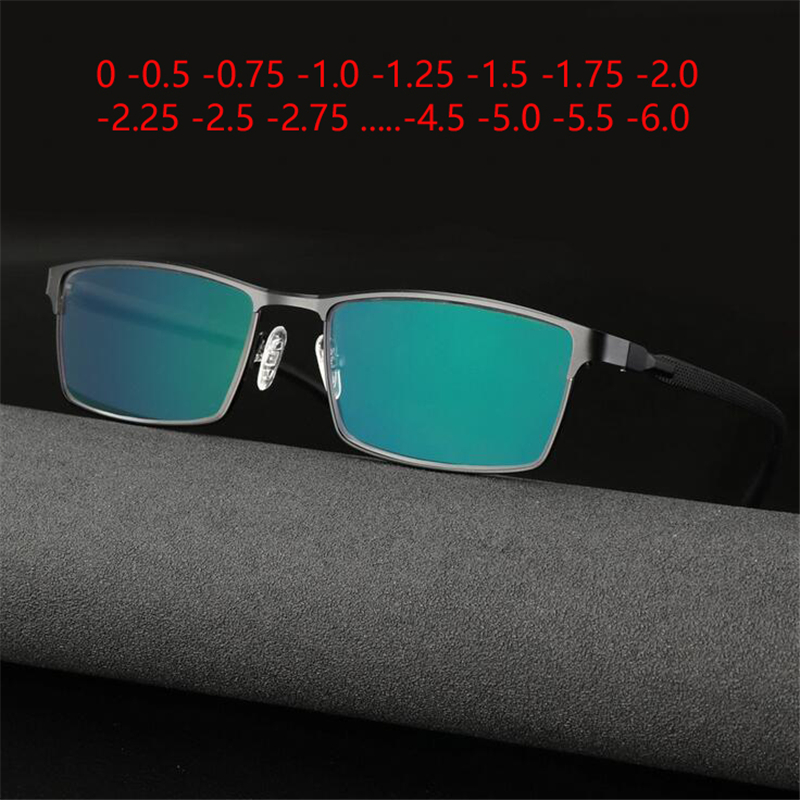 Photochromic Glasses (Lens)
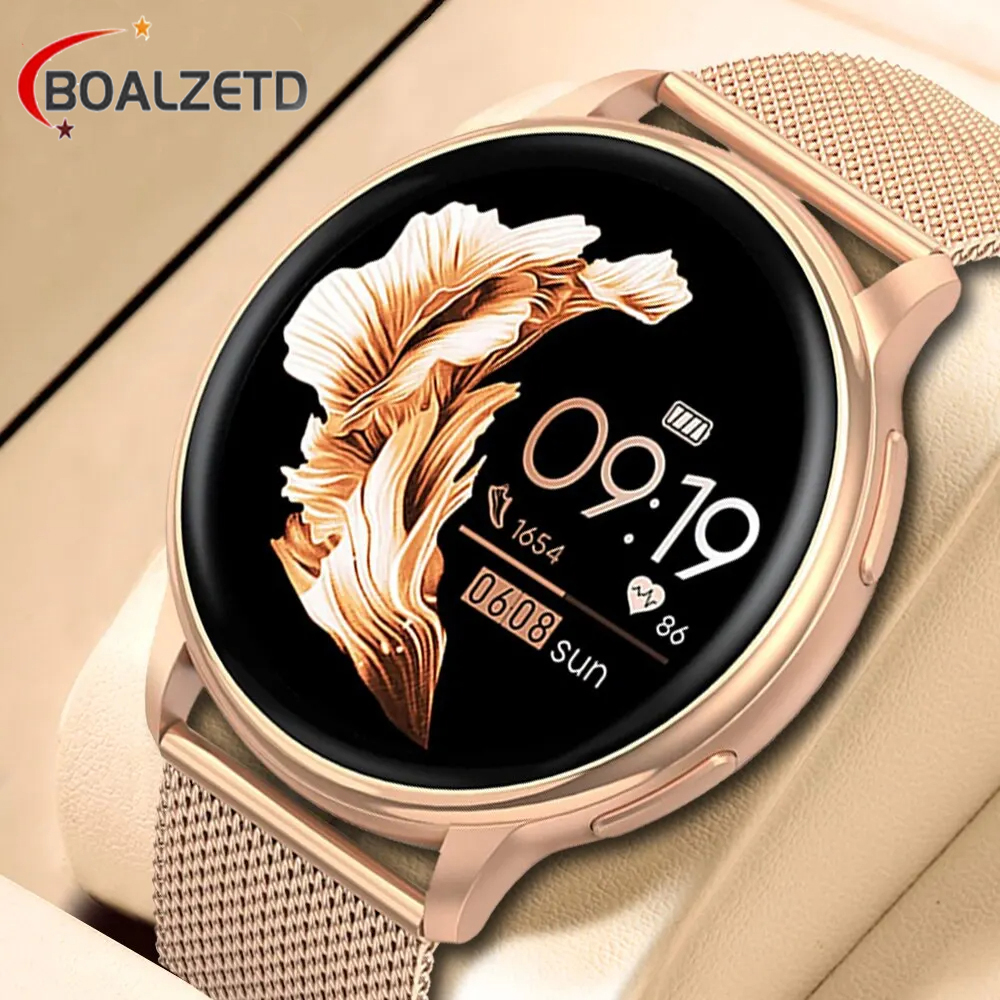 Smart watch
 Food and Groceries
 Animals & Pet Supplies
 Apparel & Accessories
 Arts & Entertainment
 Baby & Toddler
 Business & Industrial
 Cameras & Optics
 Electronics
 Food, Beverages & Tobacco
 Furniture
 Hardware
 Health & Beauty
 Home & Garden
 Luggage & Bags
 Mature
 Media
Media Office Supplies
 Religious & Ceremonial
 Software
 Sporting Goods
 Toys & Games
 Vehicles & Parts


Beyond the Screen: Why Nigerians Still Choose the Market Over the Mouse — and How to Fix It
Table of Contents
The Trauma of 'What I Ordered vs. What I Got' The Sensory Experience: Why 'Touch and Feel' Still Wins The Scourge of Unverified Vendors How Kanemtrade is Rebuilding the Bridge The Roadmap to a New Era of Shopping Conclusion: The Best of Both Worlds The Logistics Nightmare and the Last-Mile Hurdle The Psychology of 'Payment on Delivery'

The Trauma of 'What I Ordered vs. What I Got'
If you have lived in Nigeria for more than a week, you have likely heard the horror stories. Perhaps you have even lived one. You scroll through an Instagram feed, see a stunning outfit or a sleek gadget, and in a moment of optimism, you hit 'Buy.' Three days later, a dispatch rider calls you. You open the package with excitement, only to find something that looks like a rejected prototype from a different decade. This phenomenon—the infamous 'What I Ordered vs. What I Got'—is more than just a funny social media meme. It is the pulse of the trust deficit in African e-commerce.
For the average African shopper, the physical market isn't just a place to buy goods; it’s a sanctuary of certainty. Whether it’s Balogun Market in Lagos, Ariaria in Aba, or the bustling stalls of Kano, the ability to touch, smell, and scrutinize a product before parting with hard-earned Naira is a psychological necessity. In an economy where every kobo counts, the risk of being scammed or disappointed by an online vendor is simply too high for many to take. This is the trust deficit: the gap between the promise of a digital image and the reality of the physical product.
The Sensory Experience: Why 'Touch and Feel' Still Wins
In Western markets, e-commerce grew on the back of standardized quality and robust return policies. In Africa, however, commerce has always been communal and sensory. We want to feel the texture of the fabric. We want to see if the electronics actually power on. We want to look the seller in the eye and negotiate. This 'eye-service' is a fundamental part of our trade culture. When you remove the physical presence, you remove the accountability.
Physical shops offer immediate gratification and immediate verification. If you buy a bag in a shop and the zipper is broken, you spot it right there. If you buy it online, you might spend the next three weeks chasing a customer service bot or a vendor who has suddenly 'blocked' you on WhatsApp. This fear of the 'ghost vendor' is why many Nigerians would rather sit in two hours of traffic to reach a physical mall than click a button on their phone.
The Logistics Nightmare and the Last-Mile Hurdle
Trust isn't just about the product; it’s about the delivery. Logistics in Nigeria remains one of the biggest hurdles to e-commerce adoption. Between 'No-Go Areas,' unpredictable traffic, and dispatch riders who seem to have a personal vendetta against Google Maps, getting a product to a customer’s doorstep is an Olympic feat. When a delivery is delayed by four days with no communication, trust evaporates. The customer assumes the worst: 'They have taken my money and run.'
This is where the reliability of a physical location triumphs. A shop doesn't move. A shop has a physical address you can return to if things go south. For the African consumer, a physical storefront is a form of collateral. It says, 'I am here, and I am real.'
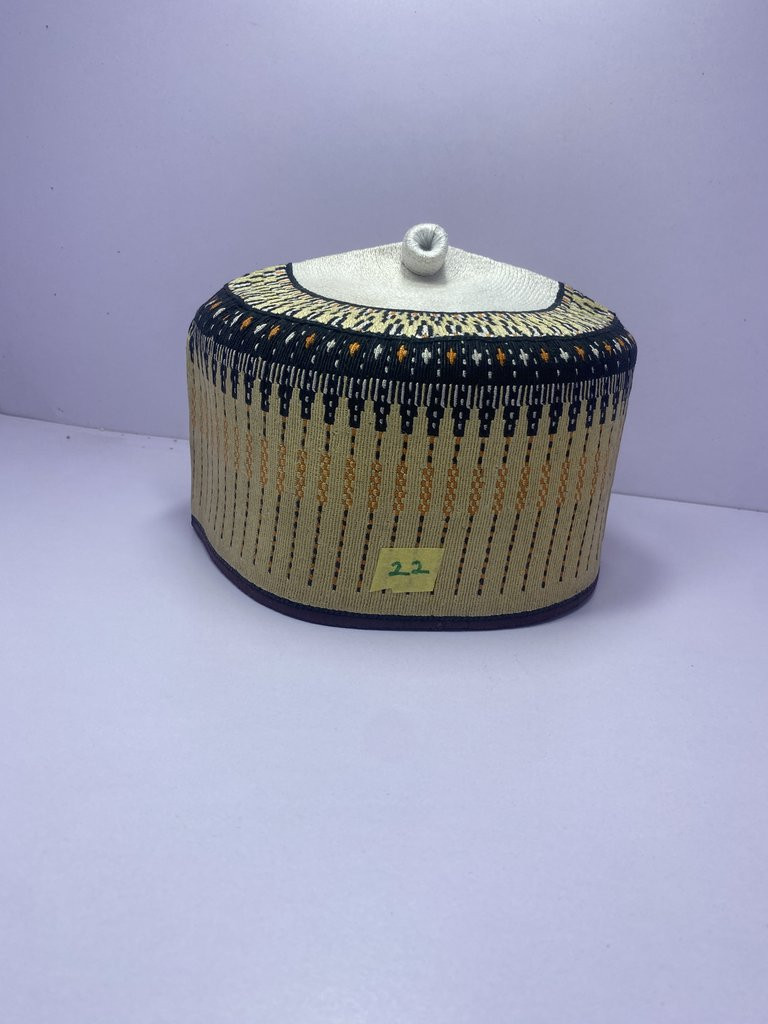
Editor’s Choice: The Blue Nkindei
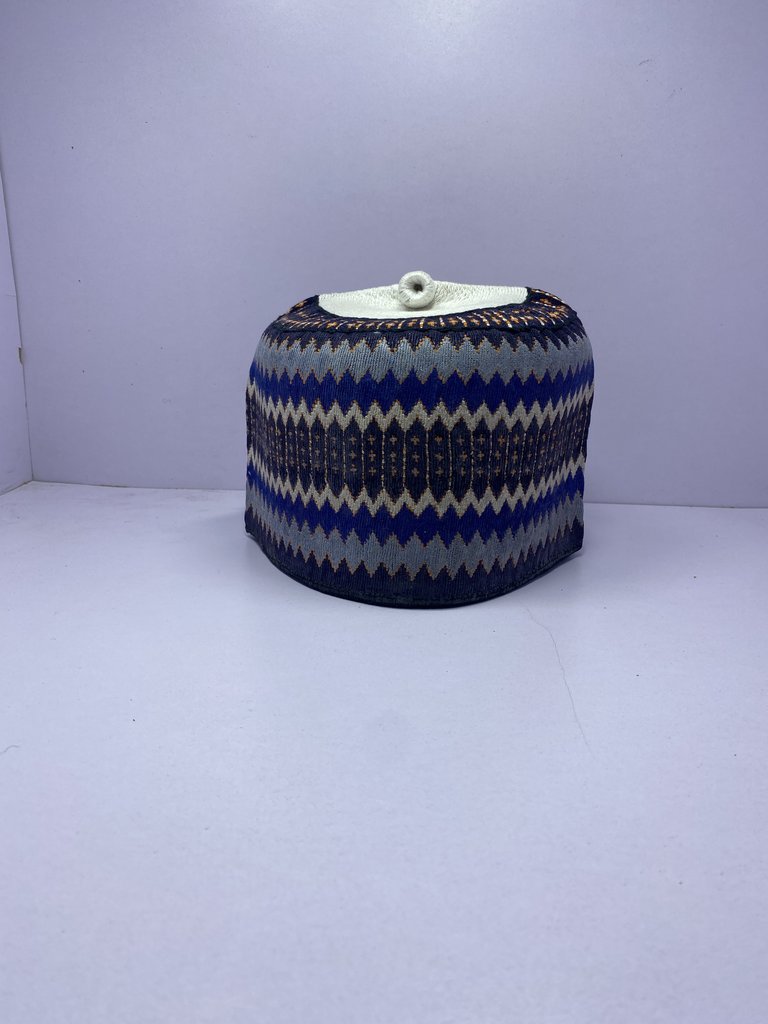
While we navigate the complexities of trust, every so often, a product comes along that restores our faith in quality. The Blue Nkindei is a testament to what happens when craftsmanship meets consistency. It has become a favorite for those who demand that their physical reality matches the digital promise. In a world of uncertainty, the Blue Nkindei stands out as a verified standard of excellence.
The Scourge of Unverified Vendors
The rise of social commerce has been a double-edged sword. While it has empowered thousands of small business owners, it has also provided a playground for scammers. Anyone can download a high-quality image from a foreign website, create a flashy Instagram profile, and start 'selling.' These unverified vendors are the primary reason the trust deficit remains so wide. They offer no guarantees, no refunds, and no accountability.
This is why platforms like Kanemtrade are becoming essential. The solution to the trust deficit isn't to stop shopping online; it’s to change where and how we shop. Verification is the new currency of African e-commerce. By vetting sellers and ensuring that what is advertised is what is delivered, we can begin to bridge the gap between the screen and the street.
How Kanemtrade is Rebuilding the Bridge
At Kanemtrade, the mission is simple: to bring the accountability of the physical market into the digital space. We understand that for a Nigerian shopper to trust a platform, they need more than just a pretty website. They need to know that the logistics are handled by professionals, that the sellers are verified, and that their money is protected. We are not just moving goods; we are moving trust.
By implementing strict quality control measures and partnering with reliable logistics providers across Nigeria, Kanemtrade is addressing the core fears of the African consumer. We are creating a space where 'What You See' is actually 'What You Get.' We believe that the future of African trade isn't just digital—it's trusted digital.
The Psychology of 'Payment on Delivery'
The prevalence of Payment on Delivery (PoD) in Nigeria is the ultimate symptom of the trust deficit. It is the shoppers' way of saying, 'I don't trust you until I see it.' While PoD is a nightmare for merchants due to high rejection rates, it has been a necessary bridge for the wary consumer. However, as verification platforms like Kanemtrade grow, we expect to see a shift. When consumers know they are buying from a platform that has already done the 'eye-service' for them, the need for PoD diminishes, and the efficiency of the entire ecosystem improves.
The Roadmap to a New Era of Shopping
To move forward, African e-commerce must embrace three pillars: Verification, Transparency, and Localization. We cannot simply copy and paste Western models. We need solutions that understand the Nigerian psyche—the need for community, the fear of being 'done dirty,' and the joy of a genuine bargain. We need platforms that act as the 'Middleman' we can trust, someone who stands in the gap between the buyer and the seller.
The era of the 'Trust Deficit' is beginning to wane, not because the scammers have gone away, but because the African shopper is becoming smarter and the platforms are becoming more robust. When you shop through a verified ecosystem like Kanemtrade, you aren't just buying a product; you are buying peace of mind. You are choosing a future where the convenience of your smartphone finally matches the reliability of the village square.
Conclusion: The Best of Both Worlds
The African preference for physical shops isn't a sign of being 'backward'; it is a rational response to a high-risk environment. But as we improve logistics in Nigeria and prioritize verification, we are seeing a new hybrid model emerge. A model where you can enjoy the reach of the internet with the security of the market. Let us stop fearing the 'What I Ordered vs. What I Got' meme and start building a marketplace where quality is a guarantee, not a gamble. Whether it is a luxury item like the Blue Nkindei or everyday essentials, you deserve to get exactly what you paid for—every single time.
Featured Products